Get Full Government Meeting Transcripts, Videos, & Alerts Forever!
Get email alerts on the Bylaws topic
No spam. Unsubscribe anytime.
Flagler school board workshop narrows bylaw language on discrimination, gifts and attendance
Summary
At a workshop to review draft bylaws, the School Board of Flagler County opted to keep broad discrimination language rather than single out groups, set a $50 gift limit, modernized device and social‑media terms, and delegated non‑substantive technical edits to staff while deferring some executive‑power drafting.
The School Board of Flagler County on Tuesday held a workshop to review its draft bylaws and reached a series of drafting choices on definitions, ethics, and administrative procedures.
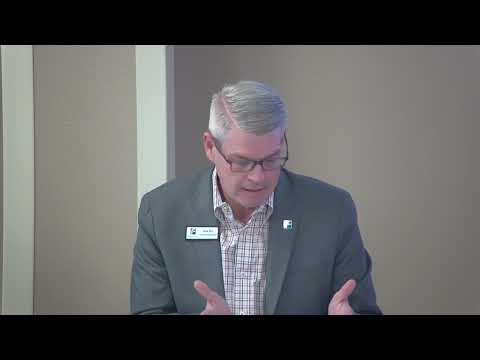
Superintendent Moore opened the session by saying, "the goal today is to have a complete set of drafts of the bylaws finished when we leave here," and staff recorded edits into the working draft.
Why it matters: The bylaws set the rules that guide how the board operates, how policies are interpreted across the district, and which legal references appear in board documents. The edits agreed at the workshop will shape future policy updates and how staff implements technical corrections distributed by Neola, the district's policy provider.
What the board decided and discussed
Definitions and discrimination: A board member urged replacing a narrowly worded "anti‑Semitism" entry with a broader discrimination definition to avoid singling out a single group; members noted anti‑Semitism and related harassment language appear elsewhere and agreed to favor broader wording that defers to referenced policies.
Attendance and virtual presence: Board members debated whether virtual participation should count toward quorum and agreed the definitions section should clarify terminology while the substance about quorum and voting rights remains in specific policy sections. Members favored adding a nonbinding statement that the board "prefers" in‑person attendance but recognized statutory limits on enforceability.
Protected‑class language and federal/state tension: The board reviewed bracketed language that named categories such as gender identity and agreed in several places to remove parenthetical specifics and rely on general terms (for example, "sex") that will defer to current federal and state definitions, rather than embedding potentially changing definitions in the bylaws.
Gifts and ethics: The board discussed a proposed $50 acceptance threshold and emphasized that tickets or items above that value—even those offered through the district foundation—should be declined or paid for by the board member personally to avoid appearance of impropriety. A member summarized the intent: items over $50 are not accepted by the board.
Neola templates and technical corrections: Members weighed the efficiency of keeping Neola's template numbering against the burden of manual updates if the board consolidates or renumbers sections. The board authorized the superintendent to make limited technical corrections (grammatical edits, name/titles, minor omissions and renumbering) while reserving substantive policy changes for board consideration.
Variances and waivers: The board indicated it will delete a proposed variances‑and‑waivers provision intended to allow petition‑based exceptions to policies, citing concern that the provision could invite frequent exemption requests.
Conflict of interest and vendors: Members discussed whether employment with state‑approved vendors should bar service on the board or simply require recusal on related matters. The board asked staff and legal counsel to return with clarifying language and, if necessary, ethics commission guidance for candidate due diligence.
Procedure and notices: The board selected notice options that permit publication in either a newspaper or on a publicly accessible district website for policy notices, keeping the district's current web posting practice.
Next steps: Staff will incorporate the workshop edits into the "policy project revised" workspace and return revised drafts for formal adoption or further action on items the board reserved for later review (including executive‑power drafting tied to the 1000s administrative policies and clarified conflict‑of‑interest language).
Quotes
"The goal today is to have a complete set of drafts of the bylaws finished when we leave here," Superintendent Moore said as staff captured edits in the live draft.
"The fact that we're citing the additional statutes doesn't affect the validity of the policy," Mr. Delaney said while explaining the value of adding extra statutory citations as reference points.
What the board did not do
No formal votes were recorded at the workshop. Several choices were made by consensus or direction to staff; substantive policy changes will return to a future board meeting as formal agenda items when required.
What to watch for
Staff will return revised draft bylaws incorporating the choices made at the workshop and will present clarified language on conflict‑of‑interest rules for vendor employment, the board's preferred attendance language, and any consolidation of policy numbering. The public can review updated drafts on the district's policy portal when posted by staff.
The workshop adjourned after the board discussed onboarding materials for new members and scheduled follow‑up briefings to provide historical context on ongoing items.