Get Full Government Meeting Transcripts, Videos, & Alerts Forever!
Get email alerts on the Short Term Rentals topic
No spam. Unsubscribe anytime.
Big Bear Lake council introduces ordinance to implement SB 346 and tighten short‑term‑rental tax enforcement
Summary
Council introduced an ordinance to implement California’s SB 346, expanding the city’s ability to require platforms to share short‑term‑rental data, establish joint liability for transient‑occupancy‑tax (TOT) remittance, and strengthen nuisance and administrative enforcement; staff and counsel requested a few clarifying edits before introduction.
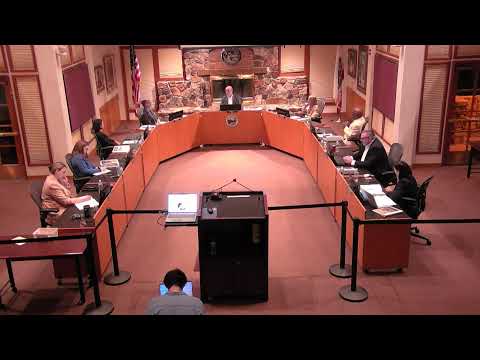
The Big Bear Lake City Council on April 8 introduced an ordinance to align the city’s transient occupancy tax and vacation‑rental rules with Senate Bill 346, giving staff new data and enforcement tools to improve tax collection and identify noncompliant short‑term rentals.
City staff said the ordinance updates multiple code chapters to do three things: formally incorporate short‑term rental facilitators (online platforms) into the tax framework, expand audit and recordkeeping authority, and broaden enforcement options including liens, successor liability and nuisance abatement. "SB 346 . . . authorizes cities to require platforms to provide key operational data, including information necessary to identify active rental listings, data related to rental activity and tax collection," Rachel Bowman, the city's tax administrator, said during the presentation.
The proposal would require platforms to report bookings, unit nights and availability, create joint-remittance responsibility between platforms and operators, and align business‑license prerequisites with TOT compliance. Staff emphasized the changes do not introduce new fines but expand the administrative tools available to obtain compliance; Valerie Escalante Tro of Civica Law Group, the ordinance drafter, was on hand to answer technical questions.
Public commenters offered mixed feedback: some residents criticized past enforcement actions as heavy‑handed and urged clearer reporting of complaint and citation counts; one attendee asked why monthly citation tallies previously published on the city website are no longer visible. Staff responded that complaint and citation reports are included in the monthly agenda packet and staff will follow up to ensure accessibility.
Councilmembers raised targeted edits on appeal procedures, effective dates used in cross‑references, and renewal‑period enforcement (staff noted the code includes 60‑day courtesy notices and enforcement discretion). After the requested clarifications were confirmed by staff and the city attorney, the council voted to introduce the ordinance and waive further readings, sending the revisions back to staff for incorporation.
Next steps: staff will return an edited ordinance consistent with council direction for formal adoption at a future meeting. The council also instructed staff to preserve the recordkeeping and notice procedures that provide operators an opportunity to comply before administrative penalties are pursued.