Get Full Government Meeting Transcripts, Videos, & Alerts Forever!
Get email alerts on the Data Centers topic
No spam. Unsubscribe anytime.
Residents urge temporary moratorium on data‑center development in Leavenworth County
Summary
Multiple residents urged the county to adopt a 6–12 month moratorium on data‑center projects to study water use, energy demand, local regulations and community impacts; the LCDC said it had limited involvement in the private Tonganoxy site and often learns only basic project parameters from site selectors.
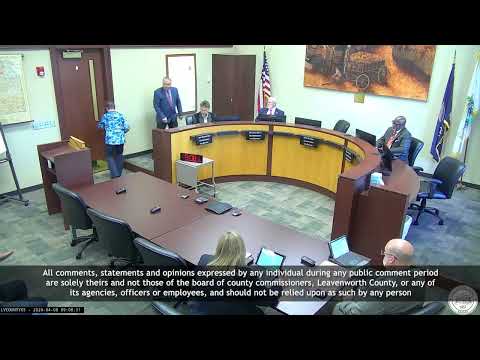
At the start of the meeting many residents urged Leavenworth County commissioners to adopt a temporary moratorium on new data‑center development so the county can study water, energy and community impacts.
"I respectfully urge you to adopt a temporary moratorium on new data center development in Leavenworth County," said D. Carl Scent, who asked for a 6– to 12‑month pause to permit a comprehensive water‑impact assessment and local rulemaking. He warned that "data centers can consume millions of gallons of water per day" and asked who would receive priority during droughts: residents, agriculture or data centers.
A second resident, Jim Carlskin, repeated similar concerns and cited recent state‑level incentives — including Senate Bill 98 — as a reason jurisdictions should proceed cautiously. "A moratorium doesn't reflect being liberal or conservative. It reflects being thoughtful," Carlskin said, pressing commissioners to require a local cost‑benefit analysis before approving large sites.
Commissioners and staff later asked the county's economic development partner, the Leavenworth County Development Corporation (LCDC), about its role with data‑center leads. An LCDC representative said the organization receives limited technical detail on many leads; site selectors frequently engage utility companies directly because of the large power demands. The LCDC rep said the group had submitted sites for many projects but had limited involvement in the Tonganoxy parcel that speakers had cited.
Why it matters: Residents said they fear irreversible impacts — on water supplies, utility rates and rural character — if large facilities arrive before county policy and zoning catch up. Commissioners asked staff for additional information and signaled they would continue the conversation in subsequent meetings.
What happened next: Commissioners did not take immediate action on a moratorium during the meeting. The topic recurred in questions during the LCDC presentation, where staff said they can help connect developers with local businesses but do not decide land‑use policy. Commissioners instructed staff to bring more information back in coming meetings.
The main claims and who said them: D. Carl Scent said data centers may require "millions of gallons" of water daily (public comment). Jim Carlskin cited state incentives and suggested some firms will not locate without them (public comment). The LCDC representative said most site selectors contact power companies directly and that the port authority had limited involvement in the Tonganoxy proposal (LCDC report).
Next steps: Commissioners requested follow‑up information, including any active project status the LCDC can share and zoning/land‑use implications, and left the question open for future discussion.