Get Full Government Meeting Transcripts, Videos, & Alerts Forever!
Get email alerts on the Shelter Operations topic
No spam. Unsubscribe anytime.
Porterville Animal Control Commission presses for better shelter data, online outreach and volunteer support
Summary
Commissioners and public commenters urged clearer monthly shelter reporting, debated whether a dedicated website would reach residents better than social media, and discussed volunteer-run foster coordination and microchipping to raise live-release rates; a volunteer offered to help build or maintain an online presence.
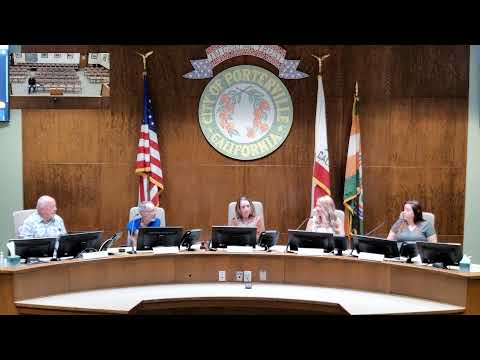
The Porterville Animal Control Commission spent the bulk of its meeting reviewing shelter reports, pressing staff for clearer month-by-month statistics and debating improvements to public outreach and volunteer programs.
Commissioners asked staff to provide the data methodology behind the shelter's live-release percentage and requested monthly breakdowns rather than quarterly summaries so members can track trends and better understand whether reported percentages reflect recent intake and transfers. Reports were described as ‘‘making progress’’ but several commissioners said the published live-release rate appears low and asked for the underlying counts used to compute it.
The commission debated relying on social media platforms versus a static web page. Several members and a public commenter said Facebook and Instagram listings can scroll past and are less accessible to residents who do not use social media; a posted QR code was noted as in use at the shelter entrance, but commissioners acknowledged QR access does not reach all residents. Commissioners discussed possible approaches including a city-hosted page, a simple shelter subpage, or a volunteer-maintained site, and cautioned that a standalone site would require someone to keep listings up to date.
Public commenter Marie Texeira, who gave her Porterville address, said a static site would make looking for lost animals easier and offered technical help: “I would volunteer to do some of that,” she said, and added she could review budgets and feasibility for a site and help publicize spay/neuter and microchipping events. The commission thanked the volunteer offer and asked staff to follow up to assess feasibility and cost.
Participants also emphasized steps to improve live-release outcomes: suggestions included recruiting a foster-coordinator (volunteer or part-time), expanding foster networks for kittens and puppies, trap-neuter-return (TNR) programs to reduce intake, and targeted adoption events outside normal hours. Commissioners noted jurisdictional and budgetary constraints when coordinating with county programs and said any new program could require personnel time or council approval.
Next steps recorded at the meeting: staff will be asked to provide the requested monthly statistics and methodology, meet with offered volunteers to assess a website or improved outreach approach, and explore feasibility of microchipping and foster-coordinator options. The commission adjourned after confirming scheduling changes would be considered for future meetings.
The commission did not adopt new shelter policy during the meeting; members framed the discussion as information-gathering and next-step direction to staff and volunteers.