Get Full Government Meeting Transcripts, Videos, & Alerts Forever!
Get email alerts on the Municipal Code Snow Fines topic
No spam. Unsubscribe anytime.
Committee pauses vote on higher snow-removal fines, says city must show enforcement data
Summary
The ordinance to amend Chapter 38 (sections 13–14) — including higher residential and new commercial fines — was kept in committee after councilors said the city has not shown whether the increased fines were ever implemented or enforced. Councilors asked for ticketing data and a city presentation before taking further action.
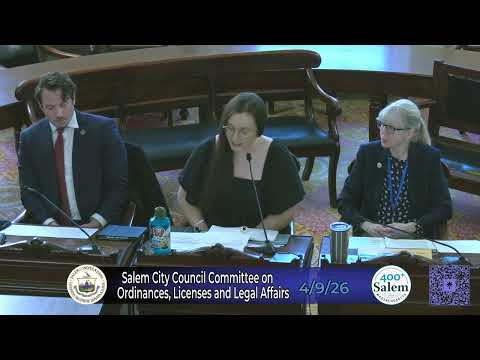
The City Council Committee on Ordinance, Licensing & Legal Affairs on April 9 heard debate over an ordinance amending Chapter 38 (sections 13 and 14) that would raise snow-removal fines and add separate commercial penalties, but the committee voted to keep the item in committee pending more data.
Councilors told staff they could not tell whether the changes the mayor proposed were new or duplicative of code updates approved last year. "The ordinance amendment that was given to us by the mayor is actually very similar to what's currently in our municipal code," said Councelor Halapa, who asked whether the higher rates approved in June were ever implemented and whether anyone had been ticketed at the new levels.
Councilors said inspectional services did not provide ticketing data at the meeting. "In speaking to inspectional services, they were unable to provide me with any ticket data from either this year or last year," Councelor Smith said, adding that without records he would assume zero fines were issued at the new rates. Other members urged waiting for a city presentation and clearer enforcement records before changing penalties.
Members debated treating commercial properties separately. Some councilors supported keeping a distinct commercial fine because of recurring commercial noncompliance; others said large multiunit properties and property managers can also be major offenders and should be considered in any change.
With inspectional services absent from the meeting and uncertainty about whether the code changes approved last year were in effect, Councelor Smith moved that item 61 remain in committee. The motion was seconded and recorded as carried by the committee; the item will return once the council receives ticketing and enforcement data.
What happens next: The committee asked city staff to provide enforcement and ticketing records showing whether the June code changes were enacted, detailed data on who has been fined, and a clear recommendation on commercial vs. residential treatment. The ordinances will remain in committee until that information is provided.