Get Full Government Meeting Transcripts, Videos, & Alerts Forever!
Get email alerts on the Consumer Finance topic
No spam. Unsubscribe anytime.
Homeowners allege repeated servicing errors, court questions 'pattern or practice' proof
Summary
In Medocious v. Mr. Cooper, homeowners told the court the servicer repeatedly sent notices to counsel or provided inconsistent reasons for denying loan modifications and failed to disclose a claimed three-application limit until late; the panel pressed whether those ministerial lapses constitute a statutory 'pattern or practice.'
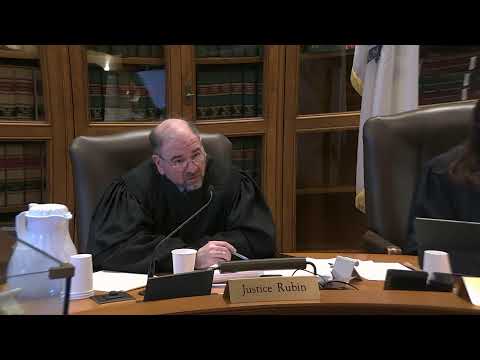
Attorney Todd Dion told the panel that homeowners Armani and Kimberly Medocious faced a sequence of servicing errors by the loan servicer, including modification-denial communications sent to a bankruptcy attorney rather than to the borrowers, inconsistent reasons provided by phone versus in writing, and a failure to disclose an internal 'three-modification' limit until the borrowers had pursued relief for many months.
"They never mentioned to him ever about this three maximum modification," Dion said, describing how his clients first learned of a cap only after repeated attempts and later correspondence from counsel.
Opposing counsel urged the court to reject claims that two or a small number of ministerial defects establish the pattern-or-practice threshold needed for enhanced statutory damages under RESPA, and the panel pressed both sides on causation and whether the record appendix omitted documents relevant to notice and timing. The trial court found no compensable damages directly traceable to the ministerial timing errors and declined to award pattern-or-practice statutory damages on that record.
The justices questioned the parties about ripeness — whether the borrowers had suffered an acceleration, loss of cure rights or other concrete event that made injunctive relief and damages ripe — and about whether any failure to notify produced actual harm or merely a procedural violation without economic consequence.
No ruling was announced; the court reserved decision for subsequent written opinion.