Get Full Government Meeting Transcripts, Videos, & Alerts Forever!
Get email alerts on the Pickleball Reservations topic
No spam. Unsubscribe anytime.
Pickleball club seeks prioritized time; some residents warn reservations would exclude casual players
Summary
At a lengthy Parks & Recreation discussion, the Big Rapids Pickleball Club proposed prioritized/reserved court time and modest fees to support programming and capital improvements; some residents and a club founder argued reservation rules would displace informal players and urged staff to study compromises, conversions and usage data.
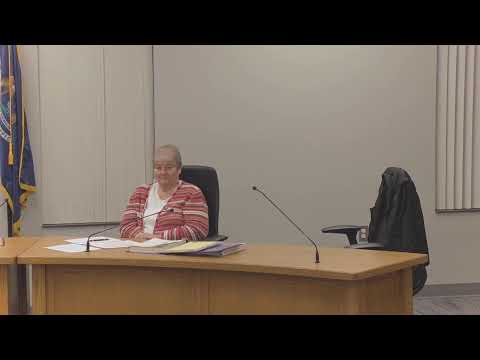
The Big Rapids Parks & Recreation Board heard competing views about whether the city’s eight public pickleball courts should allow prioritized reservations for a volunteer club that wants to run leagues and programming.
Kate Ao, who identified herself as the founder and past president of the Big Rapids Pickleball Club, opposed routine reservations for everyday play. “There was never a necessity for the club to reserve courts,” Ao said, urging the board to preserve open access and the informal “four on, four off” norm. She warned that reserving courts could force casual players to pay or join a club for weekend or after-work play and could reduce safety and enjoyment when players of different skill levels were mixed under a reservation model.
The club’s leadership presented a counterproposal. “We’re representing approximately about 160 members,” club president Scott Lor told the board, describing a volunteer-run model that would prioritize two time blocks per week for organized programming and suggested a voluntary administrative donation (a cited example was $5) for some activities. Club leaders pointed to larger-city precedents — including Grand Rapids’ Bellnet Park — where a municipal club partnership administers court bookings and funds capital improvements such as shade structures, lighting or pavilions.
Board members and commenters discussed compromises and capacity options: creating a city-run league during off-peak hours, converting underused tennis courts at Hemlock to additional pickleball lines, collecting utilization data to compare tennis vs. pickleball demand, and clarifying whether school-owned courts are available. Staff and speakers noted the pickleball club is a 501(c)(3) nonprofit and that insurance and tournament coverage differ depending on whether the city or the club runs an event.
Rather than adopt or reject a reservation policy on the floor, the board asked staff to assemble comparative policies from other communities, cost and insurance estimates, and court-utilization data and to convene the programming subcommittee to make a recommendation for the May meeting. No immediate policy change or formal reservation agreement was approved at the session.