Get Full Government Meeting Transcripts, Videos, & Alerts Forever!
Get email alerts on the Local Education topic
No spam. Unsubscribe anytime.
Missisquoi Valley School District presents $52.15M FY27 budget; residents press board on cuts, transparency and facilities
Summary
School leaders presented a $52,153,854 proposed FY27 budget that lowers per‑pupil spending to $12,173 and reports a $572,000 net reduction in education spending; residents questioned staffing cuts, a dropped parking‑lot article and special‑education costs.
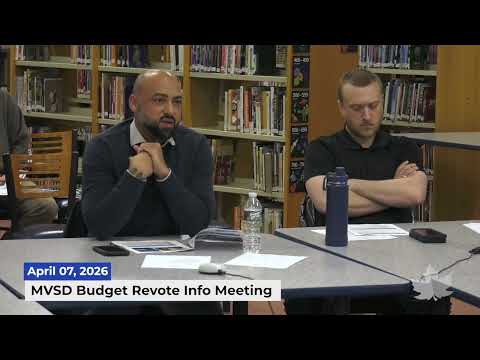
Missisquoi Valley School District officials on Wednesday presented a proposed FY27 budget of $52,153,854 and highlighted a per‑pupil spending figure of $12,173, below the county and state averages. The informational meeting reviewed academic gains, facility work completed this year and the drivers behind the budget, and closed with a public question‑and‑answer session that focused on cuts, transparency and future capital work.
The district said revenue adjustments and targeted expense reductions produced a $572,000 net decrease in education spending compared with the prior budget year: roughly $285,000 of increased revenue projections plus about $287,000 in cuts tied to contract changes, unfilled positions and a reduced mental‑health/virtual‑learning contract. Officials said the reductions were identified primarily through retirements and unfilled roles rather than layoffs, with administrators seeking to avoid removing core student services.
"Our full line‑by‑line budget is available in the online budget book," said Laura Mallister, director of finance and operations, who walked attendees through the district's interactive budget site. The online tool, she said, includes multi‑year comparisons, school‑level breakdowns, and detailed salary, benefit and program line items.
Board leaders emphasized three priorities that guided budget choices: student outcomes, recruiting and retaining staff, and maintaining facilities. Presenters also noted district academic indicators including a reported 12% increase in ELA statewide scores, a 6% increase in math, an 8% increase in science scores and roughly 95% daily average attendance.
Residents pressed the board on several points. One attendee asked how the district determined enrollment was "stable" at 1,797 students and whether that figure accounts for students taught outside the district; officials responded that district responsibility for educating (including tuitioned and early‑education students) is closer to about 1,885 and that five‑ to ten‑year trends show small year‑to‑year fluctuations.
Another resident asked how administrators had identified $287,000 in cuts after the January budget vote; some described that change as "fluff" in the earlier proposal. District leaders said many of the savings came from retirements and unfilled positions discovered after January and from contract adjustments, and they described a review process that targets reductions expected to affect the fewest students.
"We would not call anything fluff," said a district official during the Q&A, describing the facilities analysis, staffing reviews and class‑size considerations used to choose reductions.
Several speakers raised the parking‑lot paving project, which had been removed from this year's budget; board members said they had considered making the work a separate warrant article but could not commit to including it next year because of uncertainties tied to pending state changes (discussed in the meeting as Act 181/Act 73) and how those changes might affect district operations and capital financing.
A tenant at the meeting said renters also bear property‑tax impacts through rent increases. "I may not pay directly taxes, but 54% of my full‑time income goes to my rent," the renter said, urging the board to consider outreach that reaches non‑owner residents.
Administrators described special‑education cost pressures: roughly 22–23% of students are served in special education across the district, where poverty rates in the three communities run between about 50% and 65%. The district said some students require tuitioned placements and additional transportation, and staff noted the legislature is considering collaborative service models (CISAs) to share some special‑education costs across regions.
The board urged voters to review the online materials and reminded the public that voting will take place Tuesday, April 14, from 7 a.m. to 7 p.m. at polling locations in Franklin, Highgate and Swanton. "I hope that everyone votes as they see fit," said Renick Darnell Martin, chair of the board.
The district closed the informational meeting by inviting follow‑up questions and directing residents to the budget page on the MVSD website for the full interactive budget book. The board adjourned after a motion and second.