Get Full Government Meeting Transcripts, Videos, & Alerts Forever!
Get email alerts on the Budget District topic
No spam. Unsubscribe anytime.
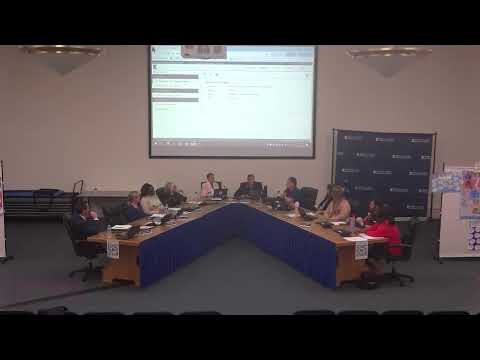
Kennett Consolidated SD finance committee hears IU present $400M-plus budget; district moves proposed tax increase to 3.7%
Summary
The Chester County Intermediate Unit told Kennett Consolidated SDs finance committee that its total budgets will top $400 million next year and outlined a largely flat pricing plan; district finance staff said local budget adjustments and grants reduced the proposed real-estate tax increase from 4.2% to 3.7%.
The Kennett Consolidated School Districts finance committee received a broad overview of the Chester County Intermediate Units budget and a district budget update Monday night that together shaped the districts near-term tax outlook.
Joseph Leitzky, director of administrative services for the Chester County Intermediate Unit, told the committee the IUs combined budgets are "projected to be over $400 million next year" and summarized three budget components: a core budget, an occupational-education budget and a large set of marketplace services. Leitzky said the IU is recommending a 2% increase in occupational-education tuition and that most marketplace-service price lines would rise by less than 2%.
The IUs proposed core operating budget is roughly $50.1 million, Leitzky said, and the document includes an accounting decrease of nearly $21 million he described as an anomaly. He noted investments that affect member districts, including a planned $685,000 upgrade to the IUs financial system and the addition of roughly 31 positions to staff new campus space. Leitzky also credited the IUs cooperative purchasing board with estimated bid savings of about $7.6 million systemwide and said Kennett saved close to $700,000 on recent bids.
Mark Tracy, the districts chief financial officer, said those IU figures are an important input to Kennetts proposed final budget but not the only one. Tracy said the district had secured or planned several adjustments since the preliminary budget: approval of a PTE referendum exception for special education (which gives the district the option to levy an additional special-education referendum amount up to 3.5%), a $487,950 appropriation of fund balance to cover a Lexia professional-development program, and a one-year PCCD mental-health grant that preserves two contracted therapist positions.
Tracy listed net revenue and expense adjustments that reduced pressure on the tax increase: a $125,000 reduction tied to charter-school tuition changes, a medical renewal that saved about $344,000, and a net effect from prescription costs that added roughly $46,000. "All in all, this was a very good renewal," he said of insurance renewals, adding that rebates from the carrier will affect final numbers when the year closes.
Taken together, Tracy said, the adjustments reduced the districts tax-necessity estimate. "We are lowering our 4.2% proposed real estate tax increase to a 3.7% increase," he said, and listed a projected millage of 36.2861 and an illustrative $233 per property figure that could change when taxpayer-relief funds are finalized.
Committee members pressed staff for additional IU utilization detail, especially how marketplace services are used by Kennett students versus other districts; Tracy and Leitzky agreed to supply more granular participation and cost breakdowns. Leitzky said some individual marketplace programs (for example, campus-based specialized programs) can cost tens of thousands of dollars per placement, while the IUs Brandywine Virtual Academy offers lower tuition that can reduce charter-related costs for districts.
On special education, district staff warned that a rising share of high-cost disability categories was the main driver of growth. Assistant Superintendent Sandra said the district expects roughly 60 incoming kindergarten students already receiving early-intervention services next year and that the district has seen a shift toward more students qualifying under autism, other-health-impairment and emotional-disturbance categories—students who typically require more related services and, in some cases, one-on-one supports.
What happens next: the board will consider the proposed final budget at its next regular meeting (the agenda item is scheduled for the boards Monday meeting). Staff told the committee they will refine participation statistics for IU marketplace services, finalize subsidy and rebate numbers, and revisit the tax-impact calculation once taxpayer-relief funds and any changes to state subsidy levels are known.
Speakers quoted or cited in this report appear on the finance committee record and include Joseph Leitzky, director of administrative services, Chester County Intermediate Unit; Mark Tracy, district chief financial officer; and Sandra, assistant superintendent for pupil services.