Get Full Government Meeting Transcripts, Videos, & Alerts Forever!
Get email alerts on the District Finance topic
No spam. Unsubscribe anytime.
Superintendent warns major assessed‑valuation losses and two Missouri bills could cut district revenue
Summary
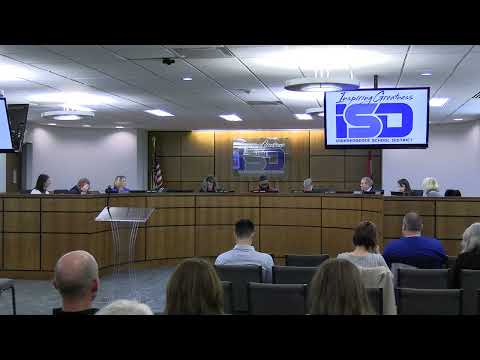
Superintendent Dr. Grant told the Independence 30 board that recent assessed‑valuation changes in Jackson County will reduce district revenue (nearly $3 million this year and about $11.5 million over three years) and singled out House Bills 1766 and 2709 as measures that would further reduce school funding; she said the district will continue bond outreach and voter education.
Superintendent Dr. Grant told the Independence 30 School District Board of Education that sharp changes in county assessed valuation will reduce district revenues and that pending state legislation could compound the loss. She said commercial assessed‑valuation declines will reduce 2025 district AV and result in “nearly $3 million” less revenue for the current year and that cumulative district AV losses exceed $135 million, translating to roughly $11.5 million in reduced revenue over three years. She added that Senate Bill 190’s senior property‑tax relief will cut about $900,000 this fiscal year.
Dr. Grant flagged two bills in Jefferson City the district is monitoring: House Bill 1766, which would change how increases in personal property valuation are treated for levy calculations, and House Bill 2709, which she said would alter assessed‑valuation growth and levy adjustments for political subdivisions. In the meeting Dr. Grant said HB2709 would reduce district revenue by about $1.5 million annually; the discussion of HB1766 included an estimated impact but the transcript did not supply a clear dollar figure.
The superintendent also said staff will continue bond outreach to stakeholder groups ahead of the election and that district communications (one‑pagers, PowerPoint presentations and the district website) will be used to explain the bond projects and fiscal context to voters. Board members asked about local economic projects that might boost revenue; one board member cited a district estimate that a Nebas project could generate as much as $27 million a year by 2030, and staff said the district will share materials to help voters understand the separate roles of bonds versus operating revenue.
Why it matters: the revenue reductions Dr. Grant described, along with the legislative proposals under consideration, have direct implications for classroom budgets, staffing and student services. The board instructed staff to continue monitoring state activity and preparing voter outreach materials ahead of the bond election.
The board discussed the item and did not take separate formal action on the legislative monitoring during this meeting.