Get Full Government Meeting Transcripts, Videos, & Alerts Forever!
Get email alerts on the School Counseling topic
No spam. Unsubscribe anytime.
Berkeley Heights counseling director outlines K–12 social‑emotional, college‑prep programs
Summary
Director of school counseling Dr. Ashley Jasco presented the district'wide counseling mission and K–12 programming on Nov. 14, highlighting Zones of Regulation in early grades, a middle‑school counseling suite, surveys that drive programming, and a well‑attended college fair. Board members pressed for details about access, staffing ratios and free alternatives to paid summer supports.
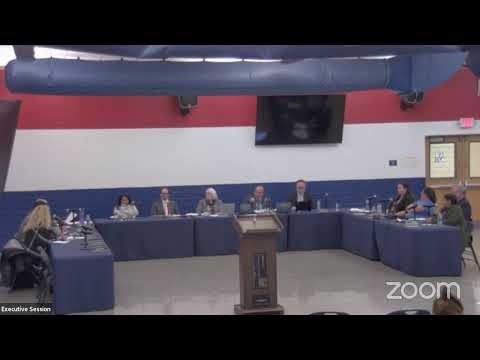
Dr. Ashley Jasco, the Berkeley Heights School District's director of school counseling, told the Board of Education on Nov. 14 that the department's mission is to provide "social‑emotional, academic and career counseling support to enhance students' ability to learn within the school environment and feel prepared to transition to the next stage of development." She described data‑driven programming across K–12 that the district communicates via monthly "precepts."
Jasco outlined how the department identifies needs through an annual voluntary "back‑to‑school" survey and informal observations, and then develops district precepts and building‑level lessons aligned to those themes. For October the precept focused on empathy and the district paired lessons with the Zones of Regulation program for K–5, which uses mood meters and classroom check‑ins to help students identify and shift emotions.
The director said counselors provide small‑group interventions ("what I need" or "WIN" groups), classroom lessons, family outreach and staff professional development. At the middle school the district has created an open "suite" staffed during advisory, EP and lunch periods so students can "pop in" and sign in, meet with a counselor in an open area or use a private side room when confidentiality is needed, Jasco said.
Jasco also emphasized college and career work at Governor Livingston High School. The district's college fair this year included about 127 admissions representatives, she said, and counselors lead individualized postsecondary planning, mock interviews, resume workshops and visits with vocational programs. The district runs a PTO‑supported College Jump Start summer program that offers hands‑on essay, interview and application help; Jasco and board members described it as intensive and highly valued by families.
Board members asked about access, staff capacity and equity. Trustee Airi asked how students reach the middle‑school suite; Jasco replied that students use advisory time, EP, lunch or email signups and that counselors often take lunch duty so students see a counselor on site. Trustee Pam Stanley asked about counselor caseloads; administration said the high‑school counselor:student ratio is roughly "about 1 to 200," depending on enrollment.
Several trustees and residents pressed for free options for families who cannot afford paid summer support. Mr. Nixon, speaking for the administration, said the district offers evening events, parent nights and one‑on‑one college counseling at no cost and that program surveys help shape those offerings.
Why it matters: The presentation and follow‑up highlighted capacity constraints (a small corps of counselors covering all grades), the district's efforts to standardize social‑emotional lessons across buildings, and ongoing community interest in widening access to college‑preparation resources.
Clarity and next steps: Administrators said they will continue to publish updated college‑and‑career handbooks and timelines on the district website; they also will confirm exact counselor:student ratios and the logistics for middle‑school suite access in follow‑up communications.