Get Full Government Meeting Transcripts, Videos, & Alerts Forever!
Get email alerts on the Land Use Subdivision topic
No spam. Unsubscribe anytime.
Neighbors raise drainage and livestock concerns as DeKalb plat committee approves M and D Farms split
Summary
The DeKalb County Plan Commission Plat Committee on April 7 approved a two‑lot conservation agricultural subdivision called M and D Farms despite residents’ objections that the split could enable multiple cattle operations, worsen drainage and strain local roads. Staff said the plat met zoning standards and that drainage oversight is handled by the drainage board and federal regulators.
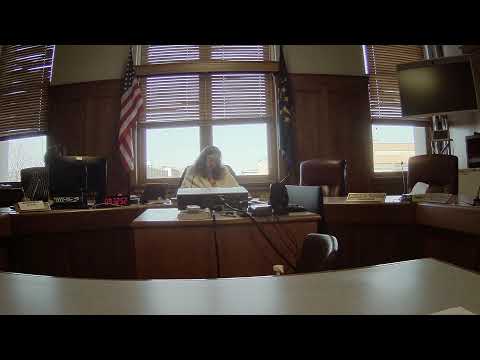
The DeKalb County Plan Commission Plat Committee approved petition 26‑07 — a two‑lot conservation agricultural subdivision called M and D Farms — at its April 7 meeting, despite extended public comment raising concerns about drainage, road safety and potential livestock intensification.
Residents who live adjacent to the parcel on County Roads 75 and 68 urged the committee to consider neighborhood impacts if the property were split. Jonas Edgar, who identified himself as living on County Road 75, told the panel that the split “would allow a possible cattle operation on both parcels” and warned that “you'll be able to have up to 299 on each parcel,” raising concerns about smell, flies and runoff.
Bob Sullivan, a neighboring resident, argued repeated subdivisions reduce the long‑term viability of farmland and can be used to circumvent environmental controls: “These further repeated subdivisions do not protect it. It breaks it into smaller parcels which are less valuable for farming,” he said. Russell Grime, whose property the petition wraps around, said the staff report mischaracterized adjacent parcels’ zoning and that changes to drainage on the subject property “are only going to be exacerbated by changing the designation of this land and allowing it to be further developed.”
Staff member Chris (zoning staff) summarized the technical review and the factors that determine plat approval, saying the proposed lots meet Unified Development Ordinance minimums for net acreage, lot width and frontage. Chris told the committee that under current A1 district rules the plan commission has reduced allowable buildable splits and that when UDO standards (minimum lot area, frontage, right‑of‑way dedication) are met the plat committee cannot deny the petition solely based on proposed future uses. He also said the drainage board will review runoff calculations at the time of any future improvement permits and noted that federal regulators remain involved for pollution or discharge violations.
Several residents asked what controls exist for animal density and manure runoff. Speakers stressed that the property contains natural drainage lines and buried tile that channel water across multiple parcels; they said that changing land division and adding buildings or confined animal structures could worsen standing water and runoff onto neighboring yards and ponds.
Committee members and staff said a subcommittee is reviewing county ordinances related to setbacks, lot sizes and animal‑density rules but that those changes would be considered separately by the full plan commission and would not change the technical standards the plat committee applied to petition 26‑07. The plat was approved with the standard recording conditions and the requirement that the applicant submit written evidence of compliance with any agency conditions before recording.
Motion and vote: the motion to approve petition 26‑07 was made by Sandy Harrison and seconded by Suzanne Davis. Members recorded voting in favor included Suzanne Davis, Jason Carneahan and Alicia Rogers; one member recorded a no vote (recorded as “OD” in the transcript). The committee recorded the motion as approved.
The committee closed the public hearing on 26‑07 after public comment and proceeded to the next items on its docket. The drainage board, highway department and other agencies will review any future improvement permits for specific proposals such as barns or driveways; the plat cannot be recorded until the applicant provides required written agency clearances.