Get Full Government Meeting Transcripts, Videos, & Alerts Forever!
Panelists at Hinckley Institute urge public-health approach to military suicide
Summary
At a University of Utah forum, mental-health and military experts said military suicide is best addressed through public-health strategies, better data and cultural change rather than single-policy fixes; they warned that aggregated DoD reports can obscure service-specific trends.
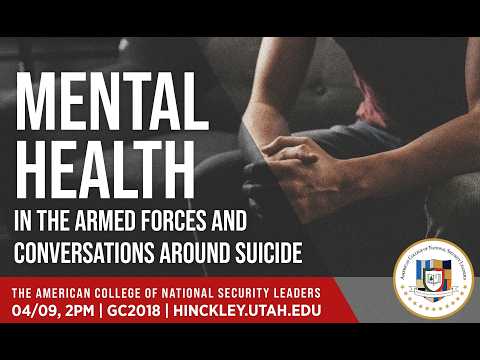
SALT LAKE CITY — Experts at a Hinckley Institute forum at the University of Utah on mental health in the armed forces on Friday urged policymakers to treat military suicide as a public-health problem that requires data-driven, systemwide responses rather than single explanations or quick fixes.
"Suicide when it happened was very difficult to predict," said Dr. Harold Cuddler, a former Veterans Affairs mental-health leader, summarizing years of VA and DoD work that shifted his emphasis from individual clinical encounters to population-level prevention. Cuddler described VA crisis lines, suicide-prevention coordinators and predictive analytics as vital tools, but he warned that many people who die by suicide are not captured by VA systems.
The panel, moderated by Corey Weathers, a clinical adviser on military morale and leadership, gathered clinicians, veterans-affairs leaders…
Already have an account? Log in
Subscribe to keep reading
Unlock the rest of this article — and every article on Citizen Portal.
- Unlimited articles
- AI-powered breakdowns of topics, speakers, decisions, and budgets
- Instant alerts when your location has a new meeting
- Follow topics and more locations
- 1,000 AI Insights / month, plus AI Chat