Get Full Government Meeting Transcripts, Videos, & Alerts Forever!
Get email alerts on the Farmland Preservation topic
No spam. Unsubscribe anytime.
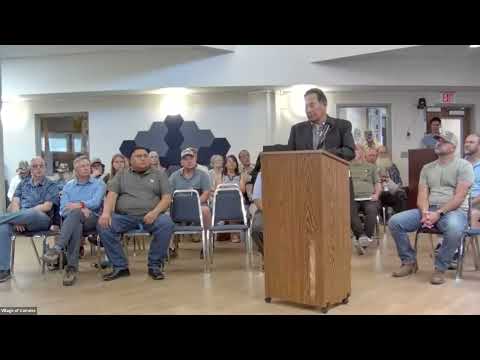
Corrales commission recommends five properties for farmland‑preservation appraisals; owners describe agricultural use
Summary
The Farmland Preservation Commission recommended that five candidate parcels advance to appraisals for potential conservation easements; landowners described existing agricultural uses, water access, youth education programs, and community food distribution.
The Corrales Farmland Preservation/Agricultural Commission recommended that five candidate parcels move to the appraisal phase for potential conservation easements, and the council voted to advance all five for further review.
Commission members described the candidates as properties that provide active agricultural production, community food access and preservation of rural character. Landowners who spoke during the meeting emphasized ongoing agricultural use and public benefits: Eric Johnson and partner John Whitney described wells, ditch rights and plans to preserve rural character around an existing small winery; Alan Brower of the Indigenous Farm Hub outlined 12½ acres used for vegetable production and weekly food support for more than 150 families; Renee Holmes spoke about a 90‑year‑old apple orchard used for youth education and community harvest; and representatives of Wildlife Rescue, Inc. summarized plans for a wildlife rehabilitation campus that they say will not be a public petting zoo and is regulated by federal and state wildlife permits.
The commission ranked the properties and recommended all five proceed to appraisal. Staff clarified that property owners typically pay for appraisal costs (a step intended to respect anti‑donation rules), and that appraisals and negotiations could take several months; owners can choose whether to continue at each stage. Councilors discussed appraisal timelines, possible funding scenarios, and the need to prioritize projects if village funds are limited.
The council vote authorized the commission recommendation for all five properties to enter the appraisal phase, after which any purchase or easement agreement would return to council for approval.
Councilors and applicants noted water‑rights and irrigation status may affect agricultural viability; staff recommended follow‑up technical checks with MRGCD and the state engineer where appropriate. The farmland preservation effort is intended to preserve productive agricultural land and support community food programs while protecting rural character.