Get Full Government Meeting Transcripts, Videos, & Alerts Forever!
Get email alerts on the Gaming Economy topic
No spam. Unsubscribe anytime.
Longtime gaming executive Farenzone reflects on Washoe Countys changing casino economy
Summary
In a Washoe County podcast interview, guest Farenzone traces Nevadas gaming evolution from tourist-driven resort models to locally focused casinos, says his firm operates 11 Nevada properties, and urges broader economic diversification and clearer vision for downtown Reno.
Farenzone, identified only by a single name in the interview and described as a longtime gaming executive, told Washoe Countys "Washoe Life" podcast that Nevadas casino economy has shifted from a tourist-driven model to one that increasingly depends on local customers and diversified entertainment.
"My company, a little company called Truckucky Gaming, and we operate 11 casinos in Nevada, nine in the north," Farenzone said, describing a deliberate move away from competing for large tourist markets to serving neighborhood patrons. The guest, who also said they once served as CEO of the Sands, said the sale of that property to Jeff Jacobs reflected different long-term visions for redevelopment.
The interview placed the change in Northern Nevada in the context of broader industry shifts. Farenzone argued that expansion of tribal gaming in California altered visitor flows and required northern operators to retool their businesses. He credited corporate investment for turning casinos into year-round entertainment hubs and cited past investments such as a "10,000-seat outdoor amphitheater" that brought acts including Sting and the Grateful Dead.
Why it matters: The shift from tourist-dependent resorts to locally oriented properties affects tax revenue, workforce needs and downtown redevelopment plans in Washoe County. Farenzone said that while cities like Las Vegas continue to pursue mega-events such as the Super Bowl and Formula 1, Northern Nevada must pursue broader economic diversification and resolve land and water constraints that limit housing and growth.
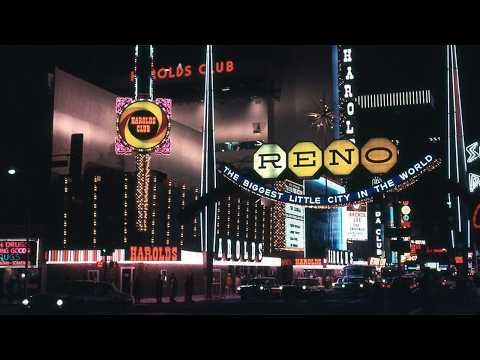
On downtown Reno, Farenzone said the regions strongest properties (which he named as the Peppermill, Atlantis and GSR) are not in downtown Reno and that "nobody really has a great vision of what downtown Reno is going to turn into." He urged leaders and investors to define a coherent strategy to attract both locals and visitors.
Hosts pressed on practical constraints. Farenzone noted negotiations with the U.S. Bureau of Land Management over parcels needed for housing and development and said water supply remains an unresolved question for large-scale growth. He framed those issues as part of why Northern Nevada must diversify beyond gaming.
The episode closed with Farenzone describing mentorship of younger industry employees, a continued personal attachment to operating neighborhood casinos and plans to stay active rather than retire. Hosts Nancy Loenhagen and Bethany Ddale thanked the guest and signed off.
The conversation was recorded as part of Washoe Countys communications series; it did not include formal actions, votes or policy decisions.