Get Full Government Meeting Transcripts, Videos, & Alerts Forever!
Get email alerts on the City Budget topic
No spam. Unsubscribe anytime.
Lewiston budget workshop: councilors debate cuts, layoffs risk and options to limit tax hike
Summary
At a workshop on Thursday, councilors and administrators discussed a 6.6% municipal increase, county and school cost drivers, revenue-sharing assumptions, potential $1.7M and other cut targets, and options to avoid layoffs including contract renegotiation and delaying vehicle purchases.
Lewiston councilors spent the bulk of a Thursday evening budget workshop discussing how to reduce the municipal operating budget and whether reductions would require layoffs.
Councilor Chisholm opened the budget debate bluntly: “The city budget is regrettably and unfortunately too high,” and urged the council to seek further reductions. Administration provided an updated snapshot showing the municipal operating budget up about 6.6% from last year; the county share and school increases were also cited as major drivers of the overall tax burden.
Councilors debated targets and trade-offs. Councilor Negeen proposed a $1.7 million reduction target for the city operating budget as a starting point, while others urged looking first at non‑personnel savings. Councilor Nazian highlighted the new Casella solid-waste contract, which he said accounts for roughly 2.8% of the budget, and suggested re-examining that contract and deferring vehicle replacements or choosing less expensive vehicle models.
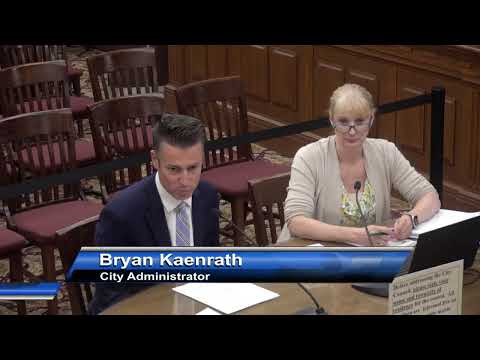
Administrators stressed the importance of assumptions. “A penny on the mill rate is $37,500,” Administrator Keenrath said, and asked the council to provide a dollar or percentage target so staff could model scenarios (for example, impacts at $1 million, $1.5 million and $2 million in cuts) and show likely programmatic consequences. Administration also noted it had conservatively booked state revenue sharing at 95%; recognizing 100% of the anticipated revenue would yield roughly $580,000, though several councilors cautioned that 100% is a gamble if the final state number is lower than projected.
Other potential, near-term savings discussed included pausing the proposed take-home vehicle program (administration estimated that at about $490,948) and pursuing savings in procurement contracts. Councilors repeatedly said layoffs should be a last resort and urged administration to identify all possible alternatives before cutting positions.
On the school budget, several councilors emphasized they do not want to see student-facing positions cut and asked that the school committee be given latitude to identify internal savings while the council sets the bottom-line figure.
Councilor Chisholm also questioned a significant projected increase in hydrant-rental charges and whether the Public Utilities Commission permits municipalities to transfer hydrant costs; Director Gagne explained that hydrant-rental formulas are intended to distribute fire-protection costs across the municipal rate base and are calculated using a standard equation handled by finance.
Next steps: Administration will return with itemized scenarios showing savings and impacts at several target levels and will include likely programmatic consequences (including whether position reductions would be needed). The council scheduled a follow-up meeting for Tuesday at 6:00 p.m.