Get Full Government Meeting Transcripts, Videos, & Alerts Forever!
Get email alerts on the Student Mental Health topic
No spam. Unsubscribe anytime.
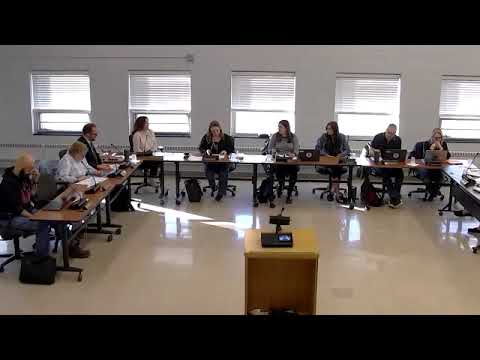
Honeoye Central mental-health team outlines in‑school services and MTSS tiers to board
Summary
The district mental‑health team described tiered supports, partnerships with Ontario County Mental Health and Mosaic Dental, in‑school therapist coverage, teen mental‑health first‑aid programming and targeted interventions for students at risk.
Superintendent Fluke introduced the district—ommunity mental‑health team and invited members to describe their roles and the supports they provide across grades K–12.
Molly Parin, the school social worker, said the team maintains a community resource guide and helps families connect with mental‑health counseling, insurance, housing and other basic needs. "We have a therapist in the building one time per week" through a school‑based satellite provider with Ontario County Mental Health, Molly said, and the district coordinates occasional dental services (Mosaic Dental) on site.
Rachel Davis, elementary school psychologist, summarized required evaluation work and special‑education responsibilities including initial referrals, IEP development and 504 management. "We also conduct functional behavior assessments and develop behavior intervention plans," she said, noting the team works closely with teachers, students and families.
Evan Carrier described school‑counseling duties (academic planning, career exploration beginning in eighth grade) and noted a therapy dog that visits twice weekly to support students. Andrea Johnson, the secondary school psychologist, explained overlapping duties across the team, use of Therapeutic Crisis Intervention System (TCIS) strategies and participation in Student Support Teams and a district safety/TIG structure for crisis response.
The team framed its work using a multi‑tiered system of supports (MTSS): universal, preventive tier‑one interventions (zones of regulation, Bulldog 4 positive behavior supports), targeted tier‑two services (small group counseling, check‑in/check‑out, Primary Project), and intensive tier‑three work (individual counseling, crisis intervention, functional behavior assessments).
Board members thanked the team and applauded the range of in‑school resources. The presentation explained how the district routes referrals, works with community partners and implements both preventative and intensive supports for students.