Get Full Government Meeting Transcripts, Videos, & Alerts Forever!
Get email alerts on the Municipal Budgeting topic
No spam. Unsubscribe anytime.
City staff warns of structural budget pressure; general fund deficit about $6.5M
Summary
Finance staff told the committee that the general fund faces a roughly $6.5 million deficit for the current year, driven by staffing costs and pension growth and buffered in recent years by one-time permit revenues; staff outlined a budget calendar and asked for committee input on vacancy rates and revenue and staffing strategies.
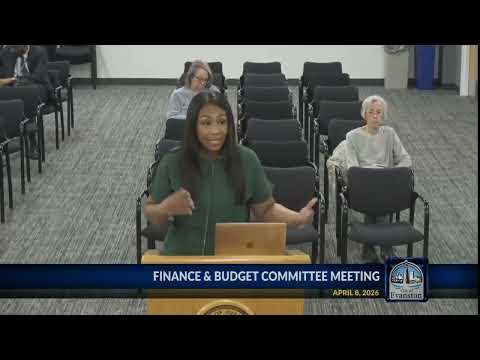
City finance staff presented an initial overview of the FY2027 budget to the Finance & Budget Committee on April 8, describing structural pressures that will complicate next year’s budget process. Staff reported a projected general fund deficit of about $6.5 million for the current year and warned the city has been relying in part on one-time building-permit revenues from large projects to limit reserve drawdowns.
Finance staff said general fund expenses have grown substantially since 2022 — mostly in salary and benefits (including recent collective bargaining increases) and in rising public-safety pension contributions — while recurring revenues grew more slowly. Staff showed that had onetime Northwestern permit revenue not occurred, the city would be much closer to required reserve levels. The presentation noted recent delays and uncertainty in Cook County property-tax reporting, which complicates revenue timing and year-end accounting.
Staff asked the committee to consider vacancy-rate assumptions and whether leadership wants to pursue hiring controls or other management actions to hold operating costs in check. Members discussed reviewing department staffing levels and organizational structure to ensure resources support direct services; council members raised the possibility of reexamining revenue bases where state law permits though they cautioned about cross-jurisdictional competitiveness.
Next steps include a fund-balance summary with the audit in July, a mid-year budget review in August and ongoing department-level work over the spring and summer. Staff emphasized that sustaining current service levels next year will require either revenue increases, expenditure reductions or drawing further on reserves.