Get Full Government Meeting Transcripts, Videos, & Alerts Forever!
Get email alerts on the Iran Negotiations topic
No spam. Unsubscribe anytime.
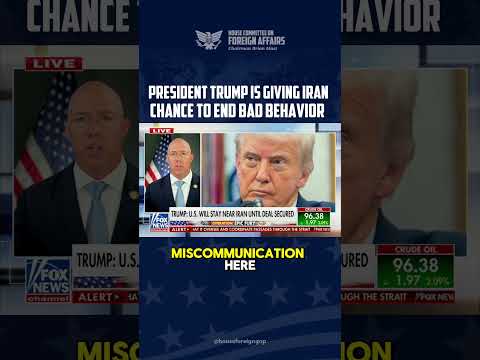
Chairman Mast: U.S. will negotiate how to reach aims with Iran but not their 'end point'
Summary
In a radio interview, Chairman Mast said U.S. negotiators can discuss how to reach previously stated objectives with Iran but will not compromise on the objectives themselves: no nuclear weapons, no proxies, no ballistic missiles and drones, no attacks on U.S. or allies, and no using the Strait of Hormuz as a revenue source.
Chairman Mast said in a radio interview that U.S. negotiators are open to discussing methods for reaching agreed objectives with Iran, but will not negotiate the objectives themselves. "We're willing to negotiate how we get to the end point that we've laid out before. I don't think we're willing to negotiate the end point that we get to," he said.
Mast said any successful deal must be "good for both sides," and argued Iran should be allowed back into legitimate markets only once activities tied to sanctions — including nuclear development and support for armed groups — cease. "Every place that they're sanctioned, they're sanctioned because it's tied to bad behavior," he said, citing Iranian ties to Hamas, Hezbollah and the Houthis.
The host noted that General Jack Keane had suggested Iran would try to delay negotiations. Mast agreed, saying Iran is "excellent" at dragging out talks and may claim misunderstandings to press for concessions. He warned negotiators are aware of those tactics and "won't be played for fools."
Asked for topline expectations ahead of weekend talks, Mast listed five non-negotiable outcomes: no nuclear weapons; no proxies; no ballistic missiles and drones; no firing at the U.S. or its allies; and no using the Strait of Hormuz as a "toll road." He also said he does not want to see revenue derived from controlling the strait become a legitimate income stream for Iran.
Mast framed the goals as both security measures and conditions for lifting sanctions, saying Iran would need to end the activities that triggered sanctions before being reopened to normal markets. The interview closed with the host thanking Chairman Mast for joining the program.
The interview provided a snapshot of one lawmaker's public expectations as diplomats prepared for talks; it did not record formal bargaining positions filed by negotiators or a vote by any legislative body.