Get Full Government Meeting Transcripts, Videos, & Alerts Forever!
Get email alerts on the Oil Markets topic
No spam. Unsubscribe anytime.
Unsanctioned Iranian oil would reach ports within days and be largely absorbed within weeks, Energy Secretary says
Summary
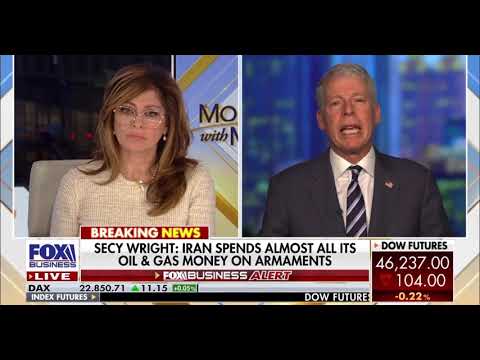
Energy Secretary Christopher Wright told a television interview that if Iranian crude were unsanctioned, initial shipments would begin arriving at ports in three to four days and "most" of the barrels would be absorbed within 30–45 days; he also described coordinated SPR releases and global trading to stabilize markets.
Energy Secretary Christopher Wright said unsanctioning Iranian crude would send barrels to ports within days and that the global market would absorb most of that supply within weeks.
Asked how quickly oil would hit the market, Wright said, "I think that most of that oil will be absorbed in the next 30 to 45 days," and added that some cargoes could begin arriving at ports "within three or four days." He noted that more than "100 million barrels" of crude already sit in tankers queued to unload in China and that re-routing those shipments would push product to other Asian buyers.
Wright framed the potential move as a short-term market response to interruptions caused by attacks near the Strait of Hormuz, saying the United States and partners are filling supply gaps with releases from strategic reserves and other sources. "We're playing our part in that coordinated release," he said, referring to a release the administration is undertaking with more than 30 countries.
The secretary also addressed concerns about price spikes: while acknowledging interruptions can push prices higher, he said U.S. production growth and coordinated international releases are aimed at easing short-term shortages.
Wright described the current market context, saying the United States has been lined up to supply more oil and that, in his view, the additional barrels would be refined in places such as India, Vietnam or Indonesia once they are re‑routed. He called the situation "very short-term" and said the policy focus remains on degrading Iran's military capabilities while limiting lasting market disruption.
The program included no opposing official statements on the unsanctioning plan; the comments reported here reflect Wright's characterization of timing and market effects.