Get Full Government Meeting Transcripts, Videos, & Alerts Forever!
Get email alerts on the Open Meetings Public Comment topic
No spam. Unsubscribe anytime.
Board discusses Bagley‑Kene public comment procedures, agrees to study alternatives
Summary
Chief counsel reviewed Bagley‑Kene open‑meetings obligations and the board debated technology and access tradeoffs for remote public comment; members asked staff to research alternatives (Zoom, platform options and equity/access issues) while keeping current practice for now.
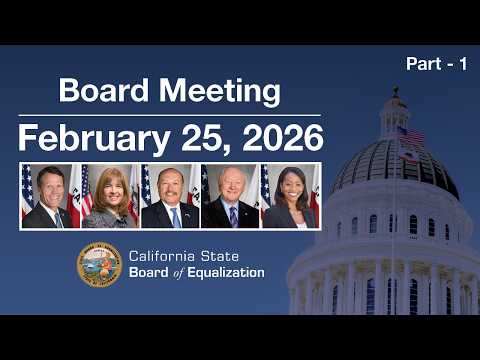
Chief counsel Richard Moon led a detailed Bagley‑Kene (open meetings) discussion on Feb. 25 as board members examined whether changes to the remote public comment procedure could make meetings more efficient without reducing access. Moon summarized the legal baseline: "the public is entitled to speak at meetings with very few restrictions" and described staff findings about platform limitations and modest time burdens when the board voluntarily asks the AT&T moderator if callers are in queue.
Board members debated several tradeoffs: Member Schaefer pressed for operational efficiency and suggested alternatives used by other bodies (for example, a Zoom "raise hand" function or improved coordination with the remote moderator), saying, "I think we have a duty to the taxpayers to be more efficient." Other members — including Chair Lever, Member Vasquez and Vice Chair Gaines — emphasized preserving broad access and transparency, noting concerns that switching platforms could exclude constituents who rely on a telephone line rather than internet access.
The board's consensual direction was to maintain the current practice of proactively offering public comment on agenda items while directing executive staff to research alternative technologies and administrative approaches used by comparable state and local bodies. Members asked staff to report back with options that preserve telephone access and minimize barriers for those without video conferencing capability.
Why it matters: The discussion balances two statutory and public‑interest objectives — compliance with open‑meetings law and maximizing public access — against operational efficiency for a multi‑agenda board that frequently receives remote callers.
Next steps: Staff will research platform and contractor options (including comparative practices used by other state agencies and municipalities) and return with recommendations; no immediate change was adopted.