Get Full Government Meeting Transcripts, Videos, & Alerts Forever!
Get email alerts on the State Housing Law 1829 topic
No spam. Unsubscribe anytime.
Presenter warns LD 1829 and other state housing mandates limit local discretion on ADUs, density bonuses and triplex rules
Summary
Committee received a detailed briefing on state housing laws (LD 1829): owner‑occupancy for ADUs was removed, mandatory density bonuses for qualifying affordable projects are allowed, triplex/tetroplex permissions expand residential allowances, and mandatory provisions raise compliance and legal‑liability concerns for towns and staff.
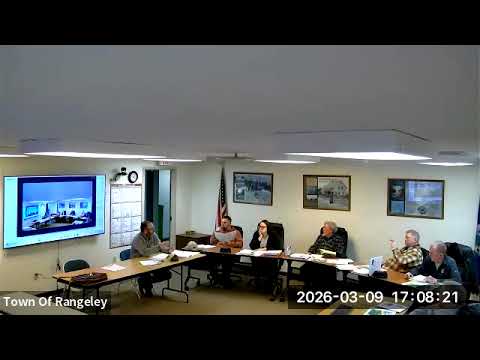
Committee members heard a comprehensive briefing on recent state housing legislation and its likely local impacts.
A staff member explained that LD 1829 consolidates prior ADU rules (supplanting LD 2003) and removes the owner‑occupancy requirement: "You no longer have to require that the ADU or the primary dwelling be occupied," the presenter said. The staff member added that the state's so‑called "Fix It" bill changes permissive local language ("may") to mandatory language ("must") in several cases, limiting home‑rule flexibility.
The presenter outlined the state's definition and administration of affordable/workforce housing: HUD metrics and restricted covenants can require units to remain rental and subject to 30‑year restrictions, with minimum lease terms and occupancy rules. The committee heard that qualifying affordable projects may receive a density bonus under LD 1829 ("2.5 times" the normally allowed units and additional allowable height), but such increases are contingent on fire‑safety signoff by the local fire chief.
The staff member also explained that the law allows triplexes anywhere a single dwelling is allowed and permits larger unit counts in growth areas (e.g., tetroplexes on lots previously limited to fewer units), raising concerns about infrastructure capacity (sewer/water) and the need for validations for septic systems.
Legal risk was a central point: the presenter warned that mandatory state laws expose towns and code enforcement officers to liability if local actions knowingly conflict with state mandates. The presenter cited examples where towns that tried to opt out encountered legal challenges and noted that the attorney general can bring action where a mandatory provision is not implemented.
Committee members asked for a simple chart identifying which new provisions are mandatory and which may allow local discretion. The staff member committed to producing a chart and a list of "mandatory laws" and potential legal 'loopholes' counsel is reviewing so the town can preserve home‑rule where legally possible.
The briefing closed with an agreement to continue the conversation at the committee's next meeting and to route specific implementation tasks to the planning and ordinance committees as appropriate.