Get Full Government Meeting Transcripts, Videos, & Alerts Forever!
Get email alerts on the Humanitarian Crisis topic
No spam. Unsubscribe anytime.
U.N. warns of worsening humanitarian crises in Lebanon, Gaza, Sudan and South Sudan; peacekeeper injured
Summary
A U.N. briefing described escalating civilian harm across multiple conflicts, reported three injured UNIFIL peacekeepers in Lebanon, disruptions to Gaza crossings, drone strikes in Sudan and displacement in Akobo, and said investigations are ongoing.
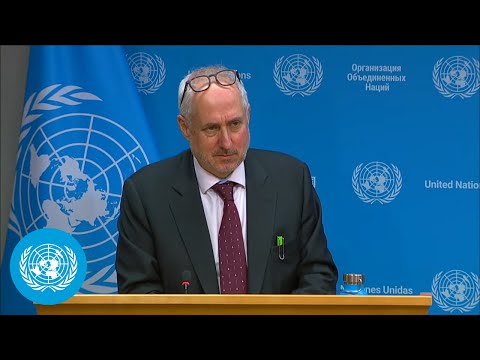
In a press briefing at U.N. Headquarters during the Commission on the Status of Women, U.N. officials summarized a string of urgent humanitarian concerns: intense hostilities in parts of the Middle East driving civilian casualties and displacement; strikes on oil and water facilities that risk environmental and public‑health consequences; the reported injury of three UNIFIL peacekeepers in southern Lebanon; multiple reported drone strikes in Sudan that hit markets and killed civilians; and orders to vacate areas in South Sudan that have left hundreds of thousands dependent on aid.
The briefing said that five hospitals and dozens of primary‑health centers in Lebanon have ceased operations in some areas, and that evacuation orders remain in effect for southern Lebanon and parts of south Beirut, forcing large‑scale movements of civilians. The U.N. reported distributing hot meals, bedding, hygiene items, water and ‘‘more than 80,000 liters of fuel’’ to tens of thousands of displaced people there.
On UNIFIL, the spokesperson said three peacekeepers from Ghana were injured amid heavy fighting; Lance Corporal Albert Abrea Busia was being treated in Beirut and was reported in stable condition. An internal U.N. investigation into the incident is ongoing, the briefing said, and U.N. officials urged that U.N. premises and personnel be protected.
The briefing also flagged recent drone strikes across several Sudanese states that reportedly hit markets and killed or injured civilians, including multiple incidents that humanitarian colleagues said had caused dozens of fatalities and large‑scale displacement. In South Sudan, officials reported that Akobo County was hosting an estimated 270,000 people—more than half women and children—and warned that any military operations there could trigger catastrophic humanitarian consequences.
The session’s question period pressed U.N. officials on investigative capacity for incidents in active conflict zones (including a reported strike on a girls’ school in Iran) and on allegations that white phosphorus had been used in Lebanon; the spokesperson said U.N. teams are reliant on forensic work and partner reporting and that some inquiries take time. The U.N. called for immediate de‑escalation, protection of civilians and sustained humanitarian access.
What happens next: U.N. agencies said they will continue to coordinate humanitarian response and share findings of ongoing investigations as forensic analyses conclude. No new mandates or Security Council decisions were announced during the briefing.