Get Full Government Meeting Transcripts, Videos, & Alerts Forever!
Get email alerts on the Gender Equality topic
No spam. Unsubscribe anytime.
U.N. stresses gender equality as a power issue and flags 87% surge in conflict-related sexual violence
Summary
At the Commission on the Status of Women, U.N. officials quoted the Secretary-General highlighting gains in U.N. gender parity while warning that conflict is driving a sharp global increase in sexual violence and displacement affecting women and girls.
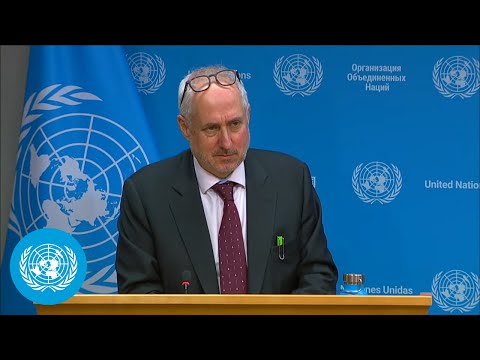
At a press briefing opening the 70th session of the Commission on the Status of Women, U.N. officials relayed the Secretary-General’s message that “gender equality is and always has been a question of power” and that “no step forward for women's rights has ever been given.” The Secretary-General, the briefing said, credited recent progress inside the United Nations to broadening recruitment while maintaining standards; women now make up about half of the U.N. workforce across professional and higher categories, with senior‑leadership parity reached earlier than planned.
The briefing also warned of acute risks to women and girls in conflict zones. The spokesperson said the number of women and girls living within 50 kilometers of deadly conflict is at its highest level in decades and that conflict‑related sexual violence “has surged by 87% in just two years.” U.N. agencies and partners are planning side events during the Commission week, including a launch of a global network on prosecutions for conflict‑related sexual violence.
Why it matters: the Commission on the Status of Women, held at U.N. Headquarters, is a global forum for member states and civil society to press for policy, funding and accountability on women’s rights. The Secretary‑General’s remarks link progress on internal U.N. staffing to the broader, worsening threats faced by women and girls in active conflicts, underscoring tension between organizational gains and external humanitarian realities.
U.N. officials made several practical observations: some hospitals and primary health centers in conflict zones have ceased operations, and humanitarian partners are providing hot meals, bedding, hygiene items and fuel where access permits. The briefing also noted planned events for specialists and prosecutors to coordinate on bringing conflict‑related sexual violence cases to trial.
The session moved into a question‑and‑answer period in which reporters pressed officials on specific incidents and investigations (see related coverage). The spokesperson said the U.N. is coordinating with partners and will share information as forensic and field analyses become available.