Get Full Government Meeting Transcripts, Videos, & Alerts Forever!
Get email alerts on the Public Health topic
No spam. Unsubscribe anytime.
Medical Examiner seeks investigators to support 'home‑death' reviews as accidental overdoses rise
Summary
Medical Examiner Dr. Masaki Kobayashi asked the committee for three medical‑legal investigator positions to improve scene response and jurisdictional determination for home deaths, highlighted increases in accidental deaths (41% of accidental cases tied to overdose), and noted an overdose‑screening grant that expires in August 2026.
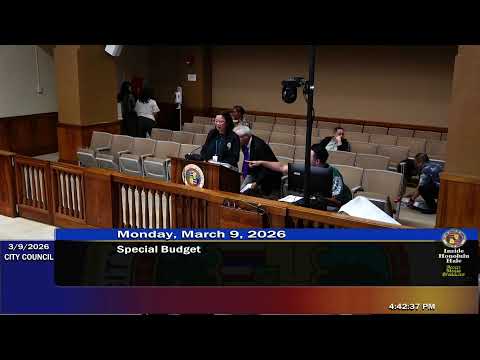
Dr. Masaki Kobayashi, Medical Examiner, briefed the committee on a rising caseload and proposed targeted staffing to improve investigation of home deaths and overdose surveillance.
Kobayashi presented data showing case increases across natural and accidental categories and told the committee that accidental (including overdose) deaths make up a large proportion of recent workload. The ME requested three medical‑legal investigator positions (salary cited) to implement a ‘home‑death initiative’ that would increase scene responses, improve jurisdictional determinations and enable 24‑hour investigative coverage; the office estimated investigators would respond to roughly 550 additional scenes annually under the initiative.
The ME also asked for a refrigerated trailer and generator for mass‑fatality support, estimating site equipment relocation costs of about $50,000. Kobayashi said the department currently receives approximately $155,000 per year through a Centers for Disease Control overdose screening grant distributed via the State Department of Health, but that grant ends August 2026 and no federal funds were included in the FY27 operating budget.
Why it matters: Committee members asked how ME data should inform prevention. ME staff said overdose prevention should focus on treatment access and services for vulnerable populations, including people experiencing homelessness, and that methamphetamine, rather than fentanyl, remains a major driver of fatal overdoses in their local caseload.
What’s next: The ME said it expects to fill current vacancies by June and will continue to coordinate with DOH and HIDTA on overdose screening and prevention data. The committee requested follow‑up on temporary relocation options for ME equipment and tracking for potential grant continuity.
Ending: The ME emphasized that requested positions and equipment would improve investigative timeliness and the quality of mortality data shared with public‑health and prevention partners.