Get Full Government Meeting Transcripts, Videos, & Alerts Forever!
Get email alerts on the Solar Development topic
No spam. Unsubscribe anytime.
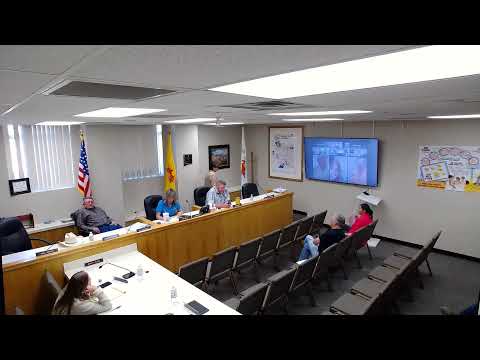
Roosevelt County residents press developer on erosion, decommissioning and farmland impacts
Summary
At an outreach call about a proposed large solar project, county residents and water district representatives pressed the developer about erosion control, how panels and equipment will be removed at project end, habitat protection and whether productive farmland will be restored.
Residents and county representatives pressed a company developing a proposed large solar installation in Roosevelt County about plans for erosion control, decommissioning and preserving farmland.
A resident opening the call said the community’s central worry is what will be left after equipment removal and how exposed land will be protected from wind erosion. “We just want to be at the table,” the resident said, urging early involvement in planning and restoration.
The developer responded that it has mitigation plans and typically posts decommissioning bonds with counties to cover removal and site restoration. A company representative said leases obligate the developer to remove equipment and that the company commissions third‑party decommissioning studies to estimate cost and salvage value. The developer noted investor and insurance arrangements that would fund removal if the company fails.
County participants also raised questions about project lifespan and vegetation management. The developer said projects are typically financed on a 30‑year timeline with an expected lifespan of “about 35 years,” and that leases can include renewal options. The company described operations‑and‑maintenance contracts to manage vegetation and periodic on‑site visits or staff presence for larger sites.
A persistent concern from attendees was panel damage from hail and the risk of shattered glass remaining in soil. One participant described seeing panels “bust the top glass on those panels and they go in just sweep the glass off on the ground” and said, “that shattered glass on the ground you’re not ever going to be able to pick that up.” The developer replied that panels are tested and rated for hail, that panels can be tilted to reduce storm impacts, and that sites carry insurance and follow EPA guidance for cleanup; the developer also said it can commission environmental site assessments after any significant damage.
Speakers emphasized they are not opposed to discussion or to negotiation in principle, but repeatedly asked to be included in planning and to receive maps, design footprints and follow‑up visits. The developer agreed to provide a KMZ/shape file of the project footprint, photos of comparable projects and to pursue in‑person meetings as the design work progresses.
What happens next: the developer said environmental diligence and a grid interconnection study are still pending; those studies will shape final design, mitigation measures and the project’s economic viability.