Get Full Government Meeting Transcripts, Videos, & Alerts Forever!
Get email alerts on the School Facilities topic
No spam. Unsubscribe anytime.
Board discusses purchase of ~77‑acre site for proposed single‑campus school; questions on utilities, survey and mineral rights
Summary
The New Philadelphia Board of Education discussed a letter of intent to buy roughly 77 acres for a proposed single‑campus school, raising questions about comparable sales, utility‑extension costs (estimates in the millions), survey and mineral‑rights provisions and the purchase’s contingency on an earned‑income tax vote; no purchase vote was taken.
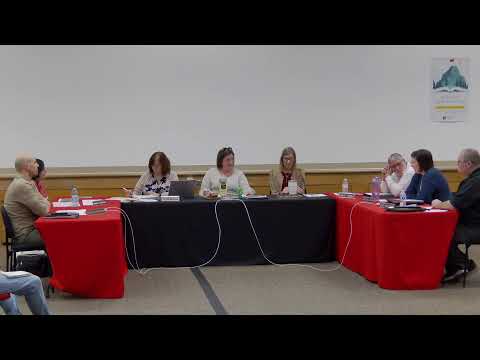
The New Philadelphia Board of Education spent the bulk of its meeting discussing a previously signed letter of intent to buy about 77 acres for a proposed single‑campus school, but members did not take a purchase vote and asked staff for more detail on costs and legal issues before deciding.
Board members questioned the appraisal and comparable sales used to set the purchase price, asked who represented the seller in negotiations, and pressed staff for clearer cost estimates for extending utilities to the site. Staff said document packages provided in November included multiple valuations and cost estimates: an average of roughly $18,000 per acre from a set of county records, a court‑filed evaluative figure of $25,000 per acre, and a later court filing that was used at about $30,000 per acre; an example comparable sale of about 77.411 acres showed a sale price of $499,376.77.
Why it matters: the parcel’s purchase price plus the cost of running water, sewer and other utilities to the site would add materially to the project budget and to what voters would be asked to approve. District staff described utility‑extension scenarios in the meeting: running utilities from Hillindale to the property was discussed in the range of $3 million–$4 million, while an extension from a city‑owned railroad bed was discussed at roughly $500,000–$2 million; board participants summarized a combined high estimate near $6 million. Staff also presented preliminary due‑diligence cost estimates: soil testing at about $12,000, a traffic study estimated at $20,000 and an environmental study estimated at $30,000. District staff said those study costs are budget estimates based on prior work and that the state would reimburse roughly 55% of certain expenses tied to the grant or project if the related measure passes; if the measure fails the district would be responsible for the full amounts.
Board members raised legal and title concerns. The letter of intent, as discussed, preserves mineral rights for the seller; staff warned that retained mineral rights can allow a seller to continue to receive royalties and to enter future agreements for removal of subsurface resources unless the purchase agreement specifically prohibits future leases or otherwise limits subsurface activity. The agreement also remains subject to a final survey verification of the roughly 77 acres; staff reported the parcel has transferred among family members multiple times and currently shows a title “red flag” that may require additional filings or conveyance steps before the purchase can proceed.
Several members expressed political and community‑engagement concerns: some said shifting from earlier two‑campus plans to a proposed single campus could confuse voters or affect turnout for a May 5 ballot on an earned‑income tax that the purchase is tied to. Other members said the move toward a single campus reflects broader voter feedback collected after previous levy results and argued the proposal could yield tax‑relief benefits for some taxpayers.
Next steps: the board agreed staff should pursue additional information and coordination with the city, including asking the mayor and council whether enterprise funds or city grants could help offset utility extension costs and whether the city would consider extending reimbursement timelines (currently described as a 10‑year hook‑on reimbursement) to reduce district exposure. The board authorized staff (Julie and Amy) to meet with city officials ahead of the next meeting. No purchase motion or vote occurred; the board set its next meeting for February 17, when members said they may consider a vote if outstanding questions are answered.
The board also approved the meeting agenda at the start of the session and later moved to adjourn by unanimous roll call; a formal vote on the property purchase was not held.