Get Full Government Meeting Transcripts, Videos, & Alerts Forever!
Get email alerts on the Parks And Recreation topic
No spam. Unsubscribe anytime.
Cottonwood Heights recreation master plan outlines phased overhaul and $88M estimate; officials discuss funding options
Summary
The city’s recreation service area presented a two‑phase master plan that prioritizes replacing the aging outdoor pool and later renovating larger indoor facilities; staff flagged potential ZAP tax, energy‑performance financing, and municipal bonds as funding options and estimated a combined cost near $88 million.
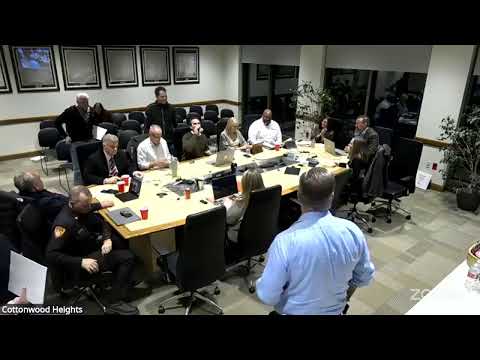
Lisa Durant, the new executive director of the recreation service area, presented a revised master plan that phases work on the Cottonwood Heights recreation center. Phase one would focus on outdoor pool redevelopment and site reorientation; phase two would address most indoor amenities, potential parking adjustments and a community center component.
Durant said parts of the facility date to the 1970s and 1980s and have exceeded typical lifespans, and she described structural, mechanical and accessibility deficiencies that motivate renovation. The team proposed applying for Salt Lake County ZAP tax funds for parks (where eligible), using energy‑efficiency financing (an energy services firm Mckinstry was referenced) to upgrade equipment and considering a voter bond for larger capital needs.
Durant estimated the total cost for both phases at about $88 million, but said phase‑one scope and success in securing grants could reduce upfront city borrowing. She recommended deliberate phasing, reuse of systems where feasible and coordination with Salt Lake County where the facility sits on leased county land. Councilors and staff discussed potential partnerships with aging‑services programs, program spaces for seniors and dual‑use strategies to support operations and programming.
No funding decisions were made at the work session; staff and the service area said they will continue to pursue grants, refine phased cost estimates and present financing options to council for future consideration.