Get Full Government Meeting Transcripts, Videos, & Alerts Forever!
Get email alerts on the Youth Mental Health topic
No spam. Unsubscribe anytime.
Community group presents youth survey showing higher-than-average depression and substance-use signals; board invites follow-up
Summary
RISE presented results of a survey of 220 district students showing elevated reports of depressive symptoms, binge drinking and bullying; the group urged targeted prevention programs and asked the board to approve another annual survey, offering to provide the draft instrument for review.
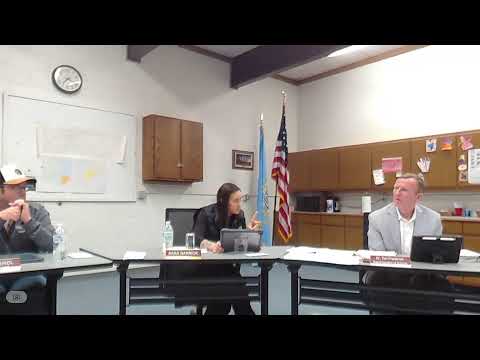
Julian Graco and Mark Parano of RISE (Rise Recovery Intervention Support and Education and the local Rise and Thrive community board) presented a district youth survey to the Custer School District 16-1 board, summarizing findings and urging targeted prevention work.
"In April of last year we ... surveyed 6th, 8th, 10th and 12th graders — a total of 220 students," Parano said, describing a Bach Harrison instrument used to compare local results with state and national norms. He said the report identified four primary concerns: higher-than-average reports of depression, elevated episodes of binge drinking, about 30% of surveyed students reporting having been bullied at least a few times, and gaps in protective factors such as positive reinforcement from adults.
Parano outlined where those risks clustered: "the students are reporting a higher degree of depression than what's found nationally," and the inventory showed higher binge-drinking reports and increased tobacco and vaping use among 10th- and 12th-graders. He also noted that students reported not receiving consistent positive reinforcement at home or school, which reduces protective buffering against behavioral difficulties.
RISE recommended evidence-based prevention interventions that could be delivered as single sessions or repeated classes and suggested tailoring for younger (roughly 11–14) and older (15–18) student bands. The presenters also said they were working to find grant funding to supplement district prevention programs and offered to partner with school staff on implementation.
The group asked permission to administer another survey in the coming year and offered to provide the board a copy of the proposed instrument for review before distribution. A board member asked for the survey proof and the presenters agreed to provide it.
Why it matters: The survey identifies mental-health and substance-use concerns that administrators and RISE said are consistent with statewide trends but may warrant locally focused prevention and support services. Board members and administrators reacted positively to partnering on grant opportunities and considering targeted interventions if funding and staff capacity allow.
Next steps: RISE will provide the draft survey instrument to the district for proofing; the board and administration said they will review the proposal and discuss potential interventions and funding at a later meeting.