Get Full Government Meeting Transcripts, Videos, & Alerts Forever!
Get email alerts on the Budget Fy2026 topic
No spam. Unsubscribe anytime.
Council reviews FY2026 budget highlights and staff outlines expanded FY2027 public engagement
Summary
Staff walked the Town of Cary council through FY2026 budget highlights—general fund totals, capital projects and fee schedules—and reported stronger‑than‑expected revenue trends (sales tax up year‑over‑year). They proposed broader public engagement for FY2027 including a community budget town hall and earlier board input.
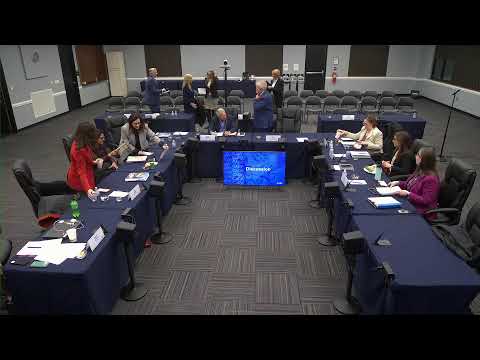
Town of Cary staff used the work session to give councilmembers a structured walk‑through of the FY2026 budget and to outline plans for community engagement in the FY2027 budget cycle, while reporting fiscal signals that could affect next year’s recommended budget.
"This will be a little interactive. So, follow along," Liam, the budget presenter, told council as he highlighted seven key sections of the budget book and recommended pages members should prioritize for a brief review. Staff emphasized the executive summary, budget ordinance, operating and capital summaries, fund summaries, capital improvement budget, fees and charges, and revenue trends as high‑value pages for a quick read.
Why it matters: The session was designed to prepare councilmembers—especially newer members—to engage earlier and more effectively in the FY27 process. Staff proposed a community budget town hall in early April, additional board and commission outreach, and earlier small‑group previews so council can provide priorities before the recommended budget is finalized.
Revenue trends and fiscal context: Dana reported stronger revenue performance than projected. "November sales tax receipts are up 8% from a year ago," Dana said, and staff noted total sales‑tax receipts for the current year were roughly $20.7 million versus about $19.4 million the prior year. Staff also reported year‑to‑date property‑tax receipts of roughly $143.7 million—about 8.5% above the comparable prior year—placing revenues modestly above projections while expenditures were tracking below budget in midyear reports.
Budget detail and process: Staff explained the distinction between ordinance totals and net summaries (which are net of interfund transfers) and walked council through capital funding sources and timing for capital projects. Lisa Glover clarified the quasi‑judicial standards and schedule for any development plans that might affect capital or planning timelines.
Community engagement and next steps: The town proposed a rolling open‑house‑style community budget town hall (target week of April 6) with staffed tables, periodic presentations and options for recorded or streamed content; staff also suggested tapping experienced participants from the Cary 101 program and advisory boards for deeper feedback. The FY27 calendar outlined preview work sessions in early spring, public hearings in May and June, and budget adoption targeted for late June with the fiscal year beginning July 1.
Staff asked council for input on outreach timing and format; no formal budget decisions or amendments were adopted at the work session.
What to watch: Staff will bring a more developed preliminary model and display proposed levers (property‑tax scenarios and options to affect capital and operating contributions) at a follow‑up work session; the recommended FY27 budget will be released in May for formal review and public hearings.