Get Full Government Meeting Transcripts, Videos, & Alerts Forever!
Get email alerts on the Budget topic
No spam. Unsubscribe anytime.
Finance director outlines FY27 calendar; council requests earlier involvement
Summary
Finance Director Amy Gordon reviewed the FY27 budget calendar and statutory deadlines, noting a mid-July lock date for numbers before publication; several councilors asked for earlier access to departmental requests and more opportunity to influence the mayor's proposed budget before public notice.
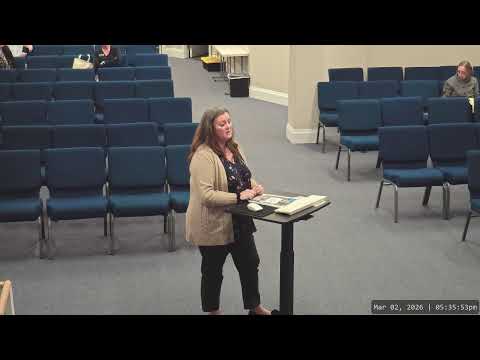
Finance Director Amy Gordon walked the Lewiston City Council through the FY27 budget calendar and process on March 2, emphasizing statutory deadlines and the council’s opportunities to influence spending before public notice.
Gordon said state law requires the city to certify taxes the Thursday before the second Monday in September, so the adopted budget is typically finalized in August. The city traditionally conducts three readings in August (first reading and public hearing, a special meeting, and final reading) and must publish the public hearing notice twice at least seven days apart. For that reason, staff seeks a mid-July lock on numbers to allow staff time to publish and finalize packets.
Councilors pressed for earlier visibility into departmental budget requests and recommended more advance material or additional work sessions so council can identify priorities and trade-offs before the mayor's proposed budget is published. The mayor and finance director agreed to provide departmental requests earlier in the cycle, schedule work sessions for focused topics (personnel costs, capital projects, utility-rate impacts), and offer optional dates for follow-up sessions prior to the public hearing.
Gordon noted FY27 pressures: payroll increases, capital needs (including a previously unsuccessful streets bond), and lower projected interest and state-shared revenues; she said these trends could necessitate use of reserves or property-tax adjustments depending on choices the council makes. Council members were encouraged to meet one-on-one with the mayor to flag priorities for the proposed budget.