Get Full Government Meeting Transcripts, Videos, & Alerts Forever!
Get email alerts on the Public Safety topic
No spam. Unsubscribe anytime.
Consultant presents Brookshire Police 2025 traffic-stop analysis; no profiling complaints reported
Summary
An outside consultant presented Brookshire PD’s 2025 traffic-stop racial profiling analysis, noting 2,220 stops and limitations in using Census benchmarks; the report found no racial-profiling complaints for 2025 and recommended focusing on post-stop outcomes.
Eric Bridge, an analyst with Justice Research Consultants, presented Brookshire Police Department’s 2025 racial profiling report at the March 5 city council meeting. “My name is Eric Bridge. I’m with the Justice Research Consultants and this evening I’ll be presenting your annual racial profiling report,” Bridge began, then outlined the methodology required by the state’s code of current procedure and the Texas Commission on Law Enforcement reporting guidance.
Bridge told the council Brookshire officers completed 2,220 traffic stops in 2025 and provided a racial and ethnic breakdown of those stops. He warned that using Census population data as a benchmark has limits and said the state’s data element asking whether officers knew a driver’s race before a stop is usually recorded in only about 2–4% of stops. “If they don't know the race ethnicity prior to stop… then can't really make any assessment about racial profiling,” Bridge said, explaining why the analysis emphasizes post-stop outcomes rather than initial-stop rates.
The consultant walked council through outcomes data: 1,548 written warnings, 637 citations and 17 arrests associated with traffic stops; he said arrests were most commonly for outstanding warrants and that 44 searches were conducted (about 2% of stops). Bridge said 11.4% of searches were consent searches (five consent searches), a rate he characterized as below statewide averages, and that contraband was discovered in about 34% of searches, most often drugs.
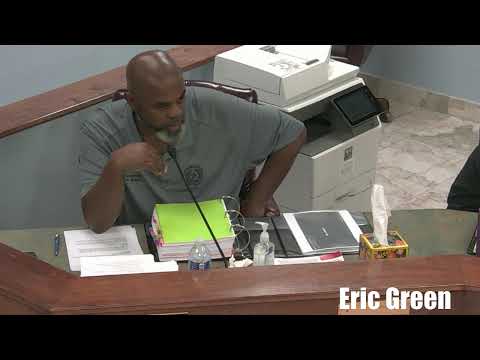
Chief Green and council members asked clarifying questions after the presentation. Bridge noted statistical limitations when small counts are subdivided by race — for example, percentages can swing materially when only a handful of incidents are involved. He also told the council that, according to agency records reviewed for the report, Brookshire PD received no formal racial-profiling complaints in 2025.
Council did not take action on the report itself; Bridge closed by offering to answer follow-up questions and reminding the council that the full slides and packet are available on the city website.
Ending: The city will post the consultant’s slides and report on its website; staff and the council may follow up with Bridge or the consultant firm for further analysis or community briefings if requested.