Get Full Government Meeting Transcripts, Videos, & Alerts Forever!
Get email alerts on the Infrastructure Roads topic
No spam. Unsubscribe anytime.
Cannon officials warn $6.8 million to pave AV Road will be lost without county action
Summary
An interim Cannon Air Force official told Roosevelt County commissioners $6.8 million to pave the AV road into Melrose range must be obligated by Aug. 30 or will be lost; commissioners expressed concern about long-term maintenance costs and a two-mile easement that would fall to the county.
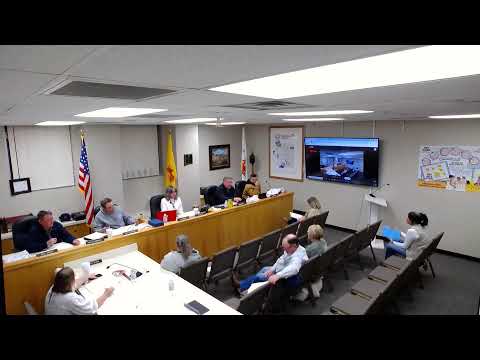
George Jones, interim director for range operations at Cannon Air Force Base, told the Roosevelt County Commission that federal funding to pave the AV road into the Melrose range must be obligated by Aug. 30 or the money will be forfeited.
“We need to have this money obligated by the 30 August of this year or we're going to lose that money,” Jones said, describing roughly $6.8 million tied to Defense Access Road projects and the short window to obligate it. Jones said paving the road would reduce recurring costs and logistical burdens for the base, but he warned commissioners that county maintenance responsibilities could rise over time.
Commissioners pressed Jones on who would bear long-term pavement upkeep. One commissioner warned that a road currently estimated at $5 million could cost “$10 to $15 million” to maintain in 10–15 years and fall to Roosevelt County to repair. Several commissioners also objected to a requested two-mile state-lease easement that would extend into property managed under state lease near the bombing range and argued the county would not directly benefit from traffic that primarily serves the base.
Jones said the Air Force and state partners are willing to explore capital-outlay or state reimbursement later, and he offered to advocate at the state level if county officials convene a meeting with relevant state land and design officials. He urged a public, multi-party meeting so all stakeholders can resolve outstanding questions about easements, who benefits from the project, and how to structure maintenance responsibilities over time.
The commission directed staff to pursue a special public meeting to bring the state land office and other agencies to the table and to work with Cannon representatives to identify options for obligating available funds while clarifying future county obligations.
Next steps: commissioners asked staff to set a public special meeting with state land officials and Cannon representatives and to return with options for easement negotiation and a maintenance funding plan.