Get Full Government Meeting Transcripts, Videos, & Alerts Forever!
Get email alerts on the Housing Element topic
No spam. Unsubscribe anytime.
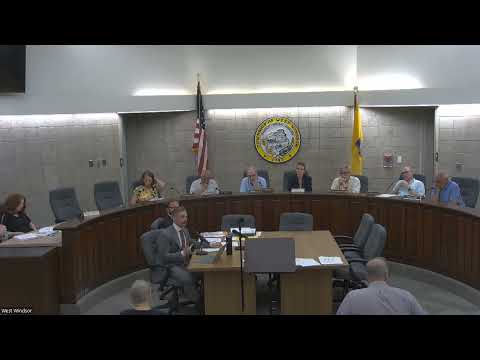
West Windsor planning board adopts draft housing element, targets 238‑unit realistic development potential
Summary
The West Windsor Planning Board on June 25 adopted Resolution 2025‑R4 approving a draft housing element and fair‑share plan that identifies sites and credits intended to meet a 238‑unit realistic development potential; residents pressed officials on traffic, tree preservation and school‑transport impacts.
The West Windsor Planning Board adopted Resolution 2025‑R4 on June 25 to approve a draft housing element and fair‑share plan that lays out sites, rezoning concepts and a spending plan intended to meet the township’s realistic development potential (RDP) of 238 affordable‑housing credits.
Township planning consultant David Novak of Burgess Associates told the board the RDP is the product of a vacant‑land adjustment and the township’s settlement negotiations. "Affordable housing is income‑restricted housing that is available for sale or for rent," Novak said in his presentation, noting the plan combines redevelopment sites and smaller components to produce the needed credits.
Why it matters: New Jersey municipalities must adopt housing elements that address court‑and‑statute‑driven affordable‑housing obligations; the state timetable creates tight deadlines for adoption, objections and any ordinance changes. Novak and staff emphasized that adopting the plan is an early step that does not authorize immediate construction and that ordinance changes and site plans will come later with additional public review.
What the plan proposes: The draft identifies several rezoning options and project sites that together generate the targeted credits. Novak described the largest component as the BMS site (block 7.04, lot 1 at U.S.‑1 and Nassau Park Boulevard), where a proposed R5E district would allow up to 555 units with 139 affordable units and generate bonus credits under the state rules. Other proposals include a new R5F district at the Woodmont Commercial site to yield about 35 units (including nine affordable), an R5G district at Obel Place to yield roughly 80 units (20 affordable), an R5H rezoning for the Carnegie Center for about 200 units (50 affordable), and mixed‑use components at the Ellsworth Center and a small licensed group home that would add additional credits.
Spending and programs: The draft spending plan would direct affordable‑housing trust fund monies across several programs, including rehabilitation, targeted affordability assistance (for repairs, HVAC and hot‑water systems), rental assistance, foreclosure and bankruptcy prevention, a proposed closing‑cost assistance program, homeowners‑association fee assistance for restricted units, and a veterans ownership and maintenance program.
Public concerns: Dozens of residents who spoke during the public‑comment period urged the board to limit scale and protect neighborhood character. Canal Road and Alexander Road neighbors repeatedly cited traffic and safety on a dangerous S‑curve, stormwater concerns, mature trees and wildlife habitat, and the increased burden of school busing if large family developments are built away from schools. "There’s a 30‑foot drop back there — I don’t think it’s a good spot for affordable housing or any housing period," said resident Dan Fabrizio, who asked the township to consider purchasing the parcel as open space. Several speakers suggested senior housing as an alternative to reduce school‑transport impacts.
Officials’ response and process: Novak and board members said adoption of the housing element is the first of many steps. Novak outlined state deadlines for an objection period and noted that, if necessary, the municipality would have until March 15, 2026 to adopt ordinances implementing zoning changes. Mayor Marte said the township worked to reduce the municipal obligation from higher DCA estimates and that the plan represents a balance between state requirements and local concerns. "I have worked very hard [to] try to reduce our obligation," the mayor said, while also warning that court challenges could change the totals.
Vote and next steps: The board voted to adopt Resolution 2025‑R4 with typographical corrections noted by staff; board members voting yes included Mr. Mattel, Mr. Panco, Miss Apple, Mayor Marte, Vice Chairman Hoverman and Chairman Clark. Following adoption, the plan will be transmitted as required, subject to any filed objections and the state dispute process, and later ordinance and site‑plan hearings will offer additional opportunities for public input.
Authorities referenced in the meeting included the state Fair Housing Act (and Mount Laurel case law) and state agencies responsible for need calculations and dispute resolution. The board and staff said they will forward public comments to developers and incorporate technical review (engineering, traffic, environmental, landscape) into ensuing ordinance and site‑plan processes.