Get Full Government Meeting Transcripts, Videos, & Alerts Forever!
Get email alerts on the Sewer Infrastructure topic
No spam. Unsubscribe anytime.
Engineers flag sewer bottleneck in Bear River; recommend line replacement and lift‑station upgrades
Summary
Consultants told the Bear River public hearing that flat slopes and limited lift‑station capacity create a sewer bottleneck constraining growth; they recommended replacing a stretch of line, considering a 16‑inch upsizing and adding lift‑station capacity, and said costs will be refined for funding requests.
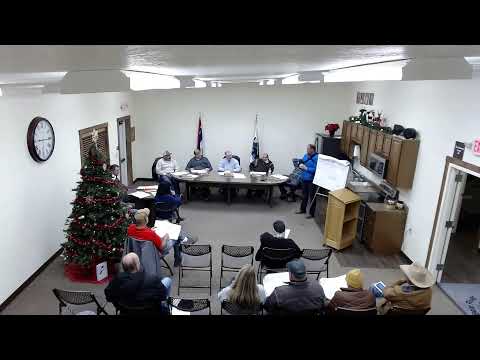
Engineers at the Town of Bear River public hearing said a stretch of the town sewer network is a capacity bottleneck that could limit future development unless the town upgrades pipes or the lift station.
"Our main recommendation is to replace this this stretch of line because this is where most of the some of them even almost have a reverse slope on those pipes," consultant Gar said, explaining that flat or reversed slopes reduce velocity, trap solids and increase maintenance needs.
Presenters described how the system's minimum slope was not consistently achieved in older installations and how flat segments and occasional reverse slopes prevent efficient flow. Because of the gradients, the town cannot reliably expand sewer service southward without upgrades.
Engineers discussed lift‑station performance as part of the bottleneck. They said the existing station's wet‑well volume and float settings limit pump efficiency, causing frequent cycling; possible solutions include adding pumps, relocating or deepening the station, or revising float set points to reduce wear and improve flow.
On sizing options, consultants said upsizing to a 16‑inch line would increase capacity while allowing flatter grades in long runs. They stressed the master plan is conceptual and that final design work is required to determine the exact pipe diameter and station configuration.
Participants discussed policy tools tied to capacity, including an out‑of‑town sewer rate and the possibility that annexation could change who connects to town utilities. Consultants noted a completed master plan and CIP matrix will improve competitiveness for state and federal grants, but emphasized that construction costs for line replacement and station work will be significant and require phasing and grant matches.
No formal motion or funding commitment was made at the hearing; consultants will include preliminary cost estimates in the draft report and return to the council and public for prioritization.