Get Full Government Meeting Transcripts, Videos, & Alerts Forever!
Get email alerts on the Library Governance topic
No spam. Unsubscribe anytime.
Residents clash over Mount Clemens library governance and book removals during packed public comment
Summary
Dozens of residents spoke during public comment, with some calling for changes to the district library agreement and elected trustees and others defending the library’s programs including drag‑queen story hour; speakers cited the District Library Establishment Act of 1989 and urged clearer public outreach on library decisions.
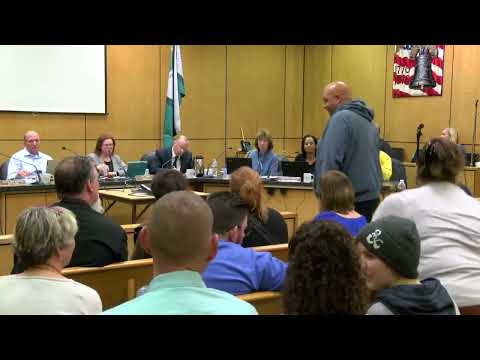
A lengthy public comment period at the Mount Clemens City Commission meeting drew residents sharply divided over the Mount Clemens Public Library’s governance and recent decisions about materials and programs.
Several speakers urged the commission and the school board to review and amend the District Library agreement and the District Library Establishment Act of 1989 as it pertains to the library’s accountability. A public commenter who identified herself as Carol Jero urged the commission to "return our Mount Clemens Public Library to the influence of representative democracy," noting that the district agreement names the Mount Clemens Community School District and the City of Mount Clemens as parties and that the agreement can be amended with the consent of governing bodies.
Other commenters detailed missing books from the children’s collection and asked for investigations into how materials were managed. One resident read aloud a list of titles they said were no longer in the library and said the community’s children had used those books recently.
Defenders of the library also spoke. Several attendees praised the library’s programs and donations (one speaker noted a $110,000 donation of a wrestling mat to the K Community Center) and urged residents not to conflate parental choices with blanket removal of materials. A library ally said the library does not remove books based on content and described collection‑management practices such as deaccessioning titles that no longer circulate and relying on cooperative catalogs to determine availability.
Speakers on both sides repeatedly referenced the same procedural option: the District Library agreement’s provision allowing parties to amend governance choices and permitting election rather than appointment of library trustees. Some asked the commission to press the school board to pursue a shorter millage renewal period (two or three years) and to consider electing board members rather than relying solely on appointments.
The debate also included emotional testimony about inclusion and public safety. One speaker who identified as a public official described the YouTube video of an earlier meeting as "appalling" and linked the issue to broader civic inclusion; others called for calm and conversation rather than escalation.
Commissioners acknowledged the volume of comments and repeatedly said the commission’s formal authority over district library governance is limited, but they praised the civil tone of the meeting and encouraged continued, constructive dialogue between residents, the school board and the library board.
The meeting record preserves citizens’ calls for greater transparency about library policies, requests for elected trustees or revised millage terms, and both concerns about missing children’s materials and defenses of the library’s inclusive programming.