Get Full Government Meeting Transcripts, Videos, & Alerts Forever!
Get email alerts on the Livestock Health topic
No spam. Unsubscribe anytime.
Lawmakers discuss allowing non-veterinarians to perform on-farm cattle pregnancy 'pre‑checks'
Summary
Legislators and producers urged the interim committee to consider a statutory exemption to let non-certified workers perform on‑farm pregnancy testing to ease veterinary shortages, while keeping certified vets responsible for animals sold as bred.
Representative Dalton Banks introduced an interim topic asking the committee to revisit a prior proposal (House Bill 166, 2009) to allow non‑veterinarians to perform basic on‑farm pregnancy checks for cattle to ease strain on veterinarians. “There was a bill, House Bill 166 from 2009, which would allow people who are not as a certified vet to be able to pre check your cattle,” Banks said, framing the change as a limited, time‑sensitive fix to workforce shortages.
Representative Oughtman expressed full support, saying long waits for a veterinarian can leave producers unable to make timely herd‑management decisions at calving and spring gatherings. “We've got lots of people that are waiting for the vets and some of these things are in real time. You can't wait a long time for that,” she said.
Supporters described a narrow approach: allow trained non‑veterinary personnel to perform pregnancy testing for on‑farm management (to verify that a cow is bred back) but require certified veterinarians to certify animals if they are to be sold as bred. Banks said the objective is to “alleviate some of the shortages that we've been seeing with people needing to get pre tests on their cattle.”
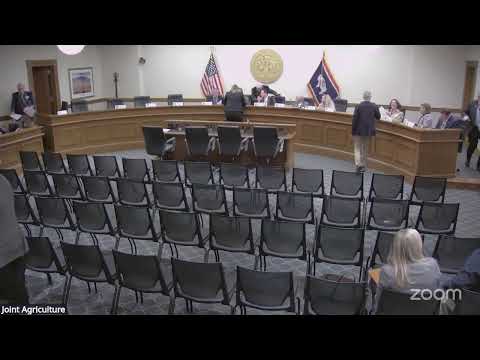
Committee members asked procedural questions about public testimony and how topics will be prioritized for interim study; no formal vote or recommendation was made. Several members signaled interest in combining this proposal with related interim topics already on the list and in using limited, focused meetings for education and drafting.
Next steps: the committee will collect ranking preferences from members and may place the veterinary‑workforce item on the interim study list for one or two meetings, with invited testimony from producers, the state veterinarian, and livestock‑industry stakeholders.