Get Full Government Meeting Transcripts, Videos, & Alerts Forever!
Get email alerts on the Open Data topic
No spam. Unsubscribe anytime.
City presents Open Data report: 243 datasets, 47 dashboards and a push to sustain services amid budget constraints
Summary
The Department of Information Services reported the city’s Open Data program hosts 243 datasets (14.3 million rows), 47 public dashboards and outreach programs; staff said priorities for 2026 include strengthening data governance, sustaining services after budget cuts and exploring AI pilots for citizen-facing tools.
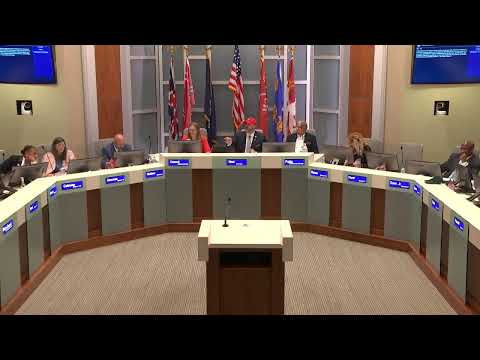
The city’s Information Services team gave the Metropolitan Council an annual Open Data update on Feb. 25, describing progress in publishing datasets and tools intended to increase transparency and support data‑driven operations.
Justin Priola, the city’s data analytics and performance manager, told the council that the Open Data BR portal now hosts 243 datasets totaling roughly 14.3 million rows and supports 47 public dashboards and web apps. He highlighted practical tools — from a Crime Trends dashboard to a public checkbook view — and said the city was named a top‑ten digital city for the 11th consecutive year by a national group.
Priola described recent work with other departments including a parishwide blight survey (about 6,000 properties) that uses spatial tools and scoring to prioritize inspections and condemnations. He also described integration work for public‑safety data (fire/EMS and police) into a common operations portal to improve situational awareness and support crime‑reduction analytics.
The department reported outreach and education metrics: more than 4.8 million social impressions, nearly 5,000 in‑person engagements, and more than 62,000 views of on‑demand training content tied to the Citizen Data Academy series. The presentation included performance‑management results tied to procurement workflows: the team said changes to contracting procedures and monitoring have shortened procurement windows for requisitions and purchase orders.
Looking to 2026, Priola said the department will prioritize sustaining core open‑data services amid budget pressures, strengthen citywide data governance and standards, and continue collaboration with external agencies for data sharing. Council members asked that future reports include a clearer section on fiscal transparency efforts (open checkbook/open budget) and requested that the department explore how AI might help citizens navigate complex data tools.
What happens next: Information Services will continue publishing datasets, refine governance standards with departments, and return to council with additional reports; the department offered to share procurement and open‑budget RFP materials with council members as requested.
Attribution: summary based on Justin Priola’s presentation and council Q&A recorded at the Feb. 25 meeting.