Get Full Government Meeting Transcripts, Videos, & Alerts Forever!
Get email alerts on the Forum Selection And Capacity topic
No spam. Unsubscribe anytime.
Appeals court questions forum‑selection clause enforceability amid incapacity claims in PCBI dispute
Summary
In PCBI v. Brown the Utah Court of Appeals heard whether a Nevada forum‑selection clause applies to related entities and whether it is enforceable given allegations that principal Tony Sheay lacked contractual capacity. Plaintiffs urged the court to reverse for lack of an evidentiary hearing; defense counsel stressed pleading and factual deficiencies.
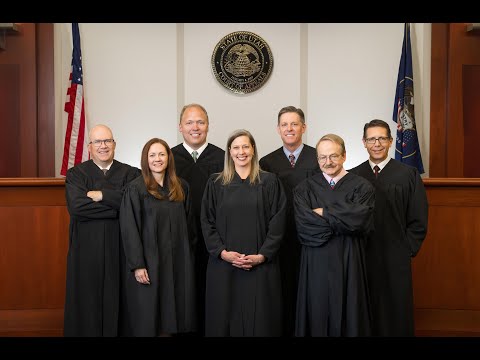
The Utah Court of Appeals heard arguments in PCBI v. Brown over whether a Nevada forum‑selection clause should be enforced in a Utah action and whether plaintiffs sufficiently alleged that company founder Tony Sheay lacked capacity when he signed engagement documents.
Plaintiffs' counsel Alan Morrison told the panel that the district court erred by dismissing the case without holding an evidentiary hearing under the Energy Claims framework and without applying Rule 9(c) to the particularized allegations. Morrison summarized expert evidence he said showed Mr. Sheay suffered substance‑induced psychosis and that Dr. Klein concluded, "It is my opinion that he lacked contractual and financial capacity during all five transactions from June 2020 to his death in November 2020."
Defense counsel Michael Stling and other defense lawyers argued the complaint did not adequately plead facts showing unconscionable means or an implied representation binding newly formed affiliates to the engagement agreement. Defense counsel urged that questions about whether post‑formation affiliates fall within the contract’s 'affiliate' language are factual and not appropriate for dismissal on the pleadings.
The panel pressed both sides on two recurring themes: (1) whether Energy Claims requires a district court to hold an evidentiary hearing when it remains uncertain after reviewing pleadings, and (2) whether the record before the district court adequately substantiated allegations of incapacity and special‑facts pleading under Rule 9. Judges asked why plaintiffs brought the case in Utah when related litigation exists in Nevada and whether that raised a risk of inconsistent rulings; counsel said the property and conduct at issue occurred in Washington County, Utah.
Plaintiffs asked the appeals court to reverse and remand for an evidentiary hearing or, alternatively, to hold that the complaint satisfied Rule 9(c). Defense counsel pointed to orders from Nevada and argued many of the disputes (affiliate scope, capacity on the specific date) are fact questions. The Court of Appeals took the matter under advisement and said it would issue a decision when ready.