Get Full Government Meeting Transcripts, Videos, & Alerts Forever!
Get email alerts on the Nuclear Disarmament topic
No spam. Unsubscribe anytime.
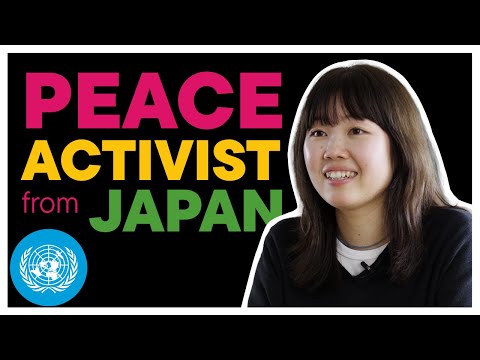
Suzuka Nakamura, Nagasaki native and founder of Know Nukes Tokyo, urges nuclear abolition and proposes mobile museum
Summary
Suzuka Nakamura, a peace activist from Nagasaki and founder of Know Nukes Tokyo, called for global nuclear disarmament, cited more than 12,000 nuclear weapons worldwide, and proposed a mobile atomic‑bomb museum to spread survivors' testimony beyond Hiroshima and Nagasaki.
Suzuka Nakamura, a peace activist from Nagasaki and founder of the youth group Know Nukes Tokyo, urged global action to eliminate nuclear weapons and described plans to expand public education about atomic‑bomb survivors.
"How could we create a world without nuclear weapons?" Nakamura asked, framing the speech around moral and practical questions about disarmament. She pointed to what she described as the scale of the risk: "There are more than 12,000 nuclear weapons," she said, and warned that "there is a possibility that everyone could be a victim."
Nakamura introduced herself as someone who grew up in Nagasaki and who has worked closely with hibakusha, atomic‑bomb survivors. "My grandmother is a hibakusha," she said, adding that survivors who tell their experiences play a "huge" role because "people tend to forget the history." She said that passing survivors' testimony to younger generations is essential to maintaining efforts toward peace.
To broaden outreach, Nakamura described founding Know Nukes Tokyo and its work in mobilizing young people on abolition. She said the group has supported expansion of the Treaty on the Prohibition of Nuclear Weapons as an ICAN campaign partner since 2021. "When I entered university, I decided to make a community where young people can work for abolishing nuclear weapons," she said.
As a concrete idea, Nakamura said she is developing a mobile atomic‑bomb museum so that people who cannot travel to Hiroshima or Nagasaki can still learn about the bombings, human rights and peace. "So I thought if this museum could move all over Japan or all over the world, I thought there could be more opportunities to discuss about peace," she said.
Nakamura said she chose activism and creative approaches rather than pursuing other careers because she believes arts and community events can motivate new activists. She also cited the United Nations as an essential forum for global decision‑making and said that, if she joins as a Young Leader for the SDGs, she would seek international networks and ideas to support abolition work.
She closed by citing a lesson she learned from hibakusha: patience. "This issue is so huge that maybe I cannot solve this during my life. We need patience not to stop doing this activity," she said, urging sustained, long‑term work toward nuclear disarmament.
The speech highlighted a mix of personal testimony, youth organizing, and a proposal for a traveling museum to expand public understanding of atomic‑bomb survivors' experiences and to build support for nuclear abolition.