Get Full Government Meeting Transcripts, Videos, & Alerts Forever!
Get email alerts on the Electricity Affordability topic
No spam. Unsubscribe anytime.
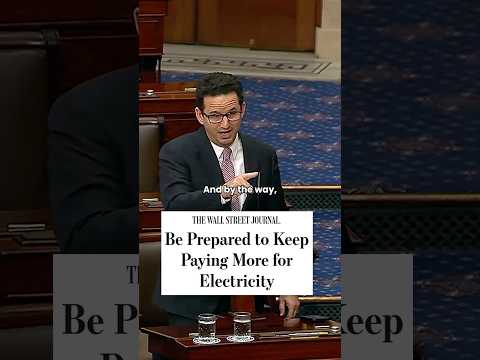
Presenter says Trump policies are driving up electricity costs, urges permitting reform to plug near-complete projects into the grid
Summary
A presenter argued that presidential policy is creating energy shortages that drive up electricity prices—citing that "one in four Americans" struggle to pay bills and urging permitting reform and expanded interstate transmission to connect nearly finished projects.
A presenter warned that current presidential policy is making electricity less affordable for many Americans, saying, "One in four Americans struggle to pay their electricity bills." The speaker blamed policy choices for creating shortages that raise prices and singled out the administration's stance on climate action as a contributing factor.
The presenter framed the issue as both national and local, saying that shortages and high prices disproportionately affect island communities: "a regular person living in Kaimuki and Honolulu, paying already three or four times the average electricity rate." The remarks included an allegation of favoritism, stating that people with access to the president can secure relief: "if you can get dinner with him at Mar-a-Lago, you can get relief."
The presenter argued that shortages increase costs, saying, "When there's not enough of something, people charge too much," and urged concrete policy changes to increase supply. The speaker called for permitting reform and expanded transmission capacity, saying the country "needs interstate transmission" and urging that projects that are "almost totally built" be allowed "to be plugged into the grid."
The remarks combined economic claims about supply and pricing with political critique and a policy prescription focused on accelerating permitting and grid connections. The presenter did not cite specific bills, agencies, or legal authorities during the remarks, and no formal motions or votes were recorded in the transcript. The next procedural step conveyed in the comments was a call for permitting reform and action to connect near-complete generation projects to the transmission grid.