Get Full Government Meeting Transcripts, Videos, & Alerts Forever!
Get email alerts on the Energy Solar Project topic
No spam. Unsubscribe anytime.
Residents and developers spar as EDF Renewables outlines K Junction Solar plan
Summary
EDF Renewables told York County commissioners the K Junction Solar Project would occupy about 2,500 acres with an SPP interconnection of 310 MW and estimated $1.24 million/year in new property taxes to local governments; public commenters raised concerns about farmland loss, agricultural impacts and study funding.
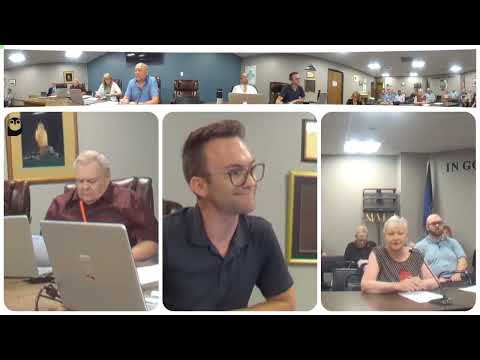
EDF Renewables representatives told the York County Board of Commissioners on June 14 that the company has narrowed the footprint for its proposed K Junction Solar Project to about 2,500 acres and has secured leases with roughly two dozen landowners.
A project developer, introduced in the meeting as Alan Glaser, said the developer has filed an interconnection request with the Southwest Power Pool (SPP) capped at 310 megawatts and is early in a multi‑year permitting process. Glaser said most cabling is expected to be buried, that some easements (he estimated six to a dozen) will be required to cross parcels, and that the project team is continuing public outreach including office hours in McCool Junction.
The developer cited a University of Nebraska–Lincoln study the company shared with the board, saying the analysis projects more than $1.24 million in net new property tax revenue per year to York County, towns, school districts and fire districts and roughly $27 million in revenue to the McCool Junction school district over the project’s life. Glaser said the net revenue would flow to local governments and programs, and that the company is committed to continued community engagement.
Public comment at the meeting split between supporters and opponents. Jim Jackson, who identified his Hays Township address, questioned how often the project would generate electricity and warned that prime prairie soil and irrigated cropland are scarce. Several residents representing livestock and feed industries argued the project could reduce local grain supply used by ethanol plants and feed yards. One resident from McCool Junction called the UNL economic study’s funding into question and urged skepticism about the report’s conclusions.
Jake Owens, who identified himself as a local father, said many private landowners agree to leases and that the project could bring community benefits and resilience in the electric system. EDF representatives told the board they have met neighbors over the last eight months and will continue to receive questions and feedback.
Commissioners pressed EDF on acres required, easement counts and whether the project could expand. EDF representatives said expansion is unlikely because the interconnection request defines the project’s deliverable capacity and because power‑purchase agreements typically lock projects to a set capacity.
The board did not take any formal action on the project; commissioners asked staff to continue monitoring the permitting and zoning steps and to ensure public engagement continues.
The developers said they will continue outreach, including posted materials and an online presence, and urged residents to contact their project representatives with questions.