Get Full Government Meeting Transcripts, Videos, & Alerts Forever!
Get email alerts on the Zoning Preemption topic
No spam. Unsubscribe anytime.
Rearview council adopts resolution opposing state bills that would limit local zoning protests
Summary
Rearview City Council on March 2 approved a resolution opposing a package of state House bills the council said would raise resident protest thresholds, expand affected-area definitions and add procedural penalties that would reduce local control over zoning decisions.
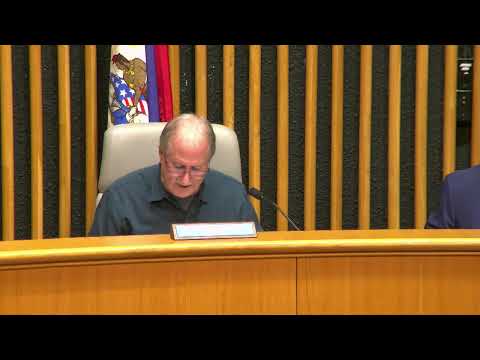
Rearview City Council voted unanimously on March 2 to adopt a resolution opposing a set of state House bills the council said would curtail local control over zoning and make it harder for residents to trigger heightened voting thresholds on proposed land-use changes. The council framed the action as a defense of locally driven planning and neighborhood input.
Councilman Prey, who introduced the motion, said the bills would change how protest petitions work and cited several concrete effects, including raising the signature threshold from 20% to 60% when a proposed zoning change would increase the number of dwellings and expanding the affected-area radius from 100 feet to 300 feet. “It makes it extremely difficult, almost impossible, for residents to trigger a higher voting threshold when density is increased,” Prey said. He urged residents to contact state lawmakers and offered to help draft a letter opposing the legislation.
Councilwoman Ganaga said municipalities across southeastern Michigan have different needs and warned the bills would apply a one-size-fits-all standard. “We’re not cookie cutters,” she said, arguing local elected officials are best positioned to balance infrastructure, drainage, density and neighborhood needs.
Councilman Williams emphasized the importance of community-based control, saying local participation is what “makes every city and township in Michigan special.” Mayor Swift and other members joined the remarks; the motion passed on a unanimous roll call.
The resolution, as read during the meeting, cited specific House bill numbers recited by council members and described changes that the council said would: increase signature thresholds for protests tied to housing density, require more complex formatting and certifications for petitions, and add penalties for violations. Council members framed the bills as a form of state preemption that would shift zoning authority away from local governments and make it harder for residents to negotiate compromises in the zoning process.
Councilman Prey provided phone numbers and committee contacts for members of the state legislature mentioned during the discussion and said the council would post those details to its Facebook page. The council did not identify any planned litigation or formal legal challenge; the action taken was the adoption of a policy resolution and a public call to residents to contact their state representatives.
Next steps: the council approved the resolution and advised residents and stakeholders to register opposition with the named committee chairs and representatives. The resolution passed by unanimous roll call vote.