Get Full Government Meeting Transcripts, Videos, & Alerts Forever!
Get email alerts on the Housing Regulation topic
No spam. Unsubscribe anytime.
St. Albans council refers proposed ordinance regulating group residential ("sober living") homes to ordinance committee
Summary
The St. Albans City Council voted to send a draft ordinance to register and regulate group residential (sober living) homes to the ordinance committee after discussion about registration, a $15 business license, fire- and building-code thresholds, and certification standards.
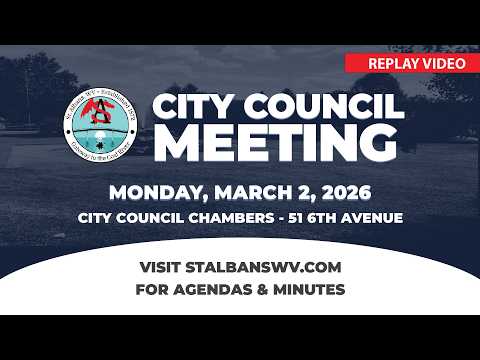
The St. Albans City Council voted Monday to refer a draft ordinance that would require registration and limited licensing of group residential (commonly called "sober living") homes to the ordinance committee for further review.
The move came after Mayor Scott James told the council he and staff had worked with the state attorney general’s office on a template used by other municipalities and adapted it for St. Albans. James said the draft would require operators to register, carry a modest $15 business license and work toward national recovery-residence certification standards, while allowing the city to identify, monitor and, if necessary, take action against unqualified operators.
Supporters said the ordinance is intended to distinguish compliant programs from unregulated houses that create safety and code concerns. Council discussion focused on where the line between a private residence and lodging should fall, building- and fire-code implications for larger houses, and how the city would enforce registration and certification. One council member summarized the practical effect: once a house exceeds a defined resident threshold it would be treated under lodging standards, which can trigger sprinkler and other building-code requirements.
Speakers noted the city currently lacks a clear registry of such homes. The ordinance would create that inventory, the mayor said, and require operators who remain uncertified to take steps toward compliance; city staff said some operators already provide community services while others have presented safety risks in reported cases. The draft borrows language from ordinances in Huntington, Parkersburg and other West Virginia municipalities, the mayor said.
After discussion, a council member moved to refer the draft to the ordinance committee for detailed review and possible amendments; the motion passed on a voice vote.
What happens next: the ordinance committee will review the draft, consider zoning and code implications raised in Monday’s discussion (including thresholds that trigger lodging classifications, sprinkler requirements and certification timelines), and report back to the council with recommendations. The council did not adopt the ordinance at Monday’s meeting; it only approved the referral for committee consideration.