Get Full Government Meeting Transcripts, Videos, & Alerts Forever!
Get email alerts on the Market Structure topic
No spam. Unsubscribe anytime.
CFTC chair says futures markets held firm through recent shocks, warns Basel III changes could reduce hedging access
Summary
CFTC Chair opened AgCon in Kansas City, defended derivatives marketsrole during crises and warned proposals tied to new bank capital rules could shrink clearing capacity, citing a fall in FCMs from 177 in 2004 to about 64 today and sharply higher customer funds.
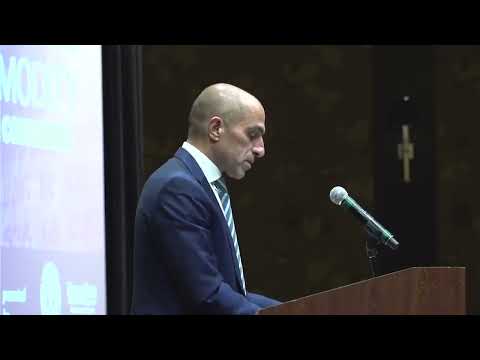
Chairman Benam opened the Commodity Futures Trading Commissions AgCon conference in Kansas City, telling attendees the derivatives ecosystem continued to provide "price discovery and hedging" through pandemic and geopolitical shocks and that the commission is watching regulatory changes closely.
The chairman said the U.S. futures markets "have continued to function well," and described the commissions surveillance tools and data access, including large-trader position files, transaction messaging and swaps data, which staff use to detect misconduct and underpin enforcement. He noted that the agency publishes the weekly Commitment of Traders reports and launched a "new user-friendly platform" in 2022 to make market data more accessible.
Speaking directly about bank-regulator proposals, the chairman said he has testified about the so-called Basel III "endgame" and related surcharge proposals and cautioned that higher capital charges applied to banks could reduce those firms willingness to provide hedging services. He highlighted two related structural trends: "in 2004 there were 177 CFTC-registered FCMs; 20 years later we have just about 64," while customer funds held at FCMs rose from about $80 billion in 2004 to "about a half a trillion dollars" today.
The chairman framed those figures as a market-structure risk: fewer clearing intermediaries combined with larger pooled customer balances increases concentration and could complicate porting customer accounts or responding to a large participant failure. He said the commission is engaging with other regulators and preparing staff teams to study and communicate market effects.
The conference agenda that follows the opening includes panels on bank capital impacts on clearing, illegal conduct in cash commodity markets, and a fireside chat with an honored guest. The chair urged attendees to use the event to "listen, learn and lay out what we can each be doing to support the agricultural economy."