Get Full Government Meeting Transcripts, Videos, & Alerts Forever!
Get email alerts on the Basis Trade topic
No spam. Unsubscribe anytime.
MRA adopts recommendations to clarify risks of Treasury cash–futures basis trade
Summary
The CFTC Market Risk Advisory Committee adopted a subcommittee report that explains the Treasury cash–futures basis trade, documents risks and benefits, and recommends effective risk‑management practices including stress testing, contingency plans and improved official‑sector data sharing.
The Commodity Futures Trading Commission's Market Risk Advisory Committee on Thursday voted to adopt a market structure subcommittee report that explains the Treasury cash–futures basis trade and recommends industry practices to manage its risks.
The white paper described the basis trade as a position that pairs a long cash Treasury financed in repo with a short Treasury futures contract. Subcommittee lead Nate Warle presented the paper and said the trade supports market functioning and liquidity but often relies on significant leverage, which can amplify losses during a disorderly unwind.
Panelists from the Treasury Borrowing Advisory Committee and asset managers outlined why futures are widely used: operational simplicity, term financing, and index‑driven demand. Deardra Dunn, TBAC chair, noted shifts in Treasury demand toward more opportunistic, price‑sensitive investors and the role of futures in matching asset managers' duration needs. BlackRock portfolio manager Dave Rogal and Millennium's Scott Roofy described financing and margin‑management techniques and urged robust multi‑day stress testing and liquidity planning.
The subcommittee recommended that market participants implement stress‑scenario modelling that captures correlated moves across cash and futures instruments, measure liquidity needs to meet potential margin calls, and maintain contingency plans to unwind leveraged positions in an orderly fashion. The report also urged improved data collection—aggregated, anonymized where appropriate—so official sector bodies can monitor the size and composition of long futures positions and related repo exposures.
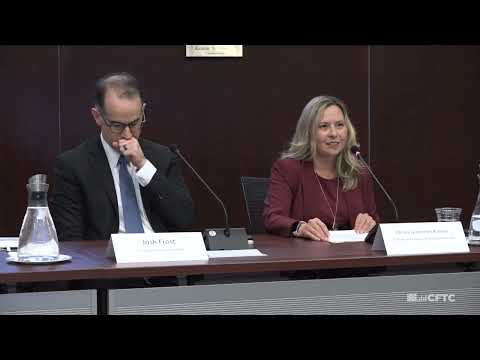
After discussion, the committee moved and seconded the recommendation. A roll call produced 23 yes votes, zero no votes and one abstention; the motion carried.
Next steps: the committee will forward the adopted report to the Commission for consideration and the subcommittee encouraged continued industry‑official engagement around data transparency and contingency planning.