Get Full Government Meeting Transcripts, Videos, & Alerts Forever!
Get email alerts on the Municipal Finance topic
No spam. Unsubscribe anytime.
Consultant presents impact-fee overhaul that could add roughly $20,000 to single-family building costs; council presses for phased approach
Summary
A consultant’s draft impact-fee plan would raise the maximum assessable impact fees for a single-family home to roughly $20,000–$21,000 (parks $4,106; fire $603; police $394; stormwater $393), prompting council and home-builder concerns and requests for more detailed, itemized tables and phased implementation. Council held the required public hearing and asked staff for additional breakdowns before any adoption.
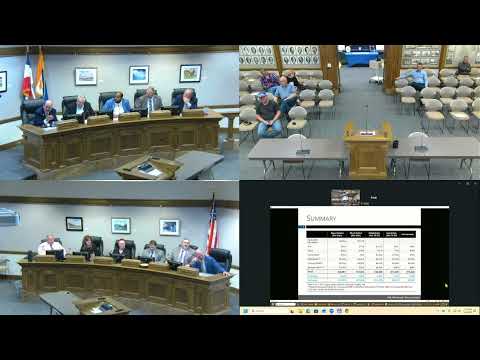
At a March 4 work meeting the council held a public hearing on a combined impact-fee facilities plan and proportionate-share analysis prepared by Lewis Young consultant Fred Philpot. Philpot presented updated cost estimates and methodology for parks and recreation, fire, police, stormwater, wastewater, culinary water and transportation.
Philpot’s summary compared current charges with proposed maximum fees and showed a substantial increase driven by rising infrastructure costs, higher land values for parks, and updated future-capacity needs. He said the draft establishes the maximum amount the city can assess under state law; the council may adopt lower fees but cannot exceed the calculated maximum. Example figures shown in the analysis: parks ~$4,106 per single-family unit, fire ~$603, police ~$394, stormwater ~$393; combined fees on a single-family unit in the draft approached $20,000–$21,000.
Council members, staff and builders discussed how fees are applied by land use and meter sizes, how multifamily units are counted, whether some commercial or industrial development types should be treated differently, and options for phased implementation. Home-builder representatives urged a phased approach to blunt sudden “sticker shock” and recommended more granular tables so councilors could see impacts by meter size, multifamily and commercial categories.
Ryan Talba of the Iron County Home Builders Association said the association appreciated city staff interaction but urged the council to consider phased increases and the overall impact on housing affordability. Multiple council members asked staff to provide: (1) a detailed comparison table showing current versus proposed fees by specific categories and meter sizes, (2) the city’s current impact-fee balances and which funds are in surplus or deficit, and (3) the city code definition for when a unit is counted as multifamily (council discussion placed the threshold at five units or more).
The hearing was closed with direction that the item return for further review and possible action at a future council meeting. Philpot and staff noted that state rules require a 90-day waiting period if the council adopts an increase at the proposed maximum level.
Why it matters: Impact fees are one-time charges on new development intended to pay the proportionate cost of growth-related infrastructure. Large fee increases can materially raise development costs and, by extension, housing prices; the council must balance infrastructure planning with local affordability and development objectives.