Get Full Government Meeting Transcripts, Videos, & Alerts Forever!
Get email alerts on the Wind Energy Ordinance topic
No spam. Unsubscribe anytime.
Oliver County debates new wind rules, including one‑mile setback and numeric cap
Summary
Planning board discussed proposed wind‑energy ordinance amendments: a numeric cap reported as 225 turbines (based on county acreage calculation), proposed one‑mile setback for nonparticipating occupied structures, and higher permit fees — developers warned changes could function as a moratorium while industry representatives and residents argued competing views.
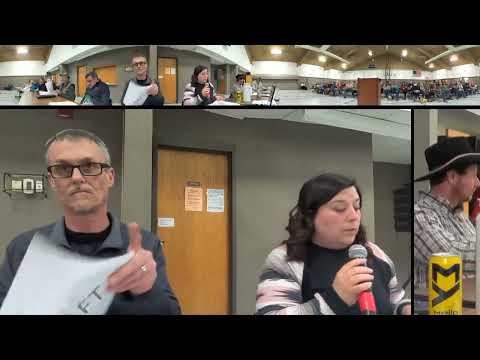
Oliver County’s planning board spent a substantial portion of its Feb. 26 meeting discussing proposed amendments to the county’s wind‑energy ordinance aimed at strengthening protections for nonparticipating landowners and limiting further industrial expansion into agricultural land.
The proposed package includes two linked approaches: (1) a numeric cap on turbines (the draft used a county acreage calculation that resulted in a cap reported as 225 turbines) and (2) an alternative option of a one‑mile setback from nonparticipating occupied structures unless owners sign waivers. The draft also proposes higher permit fees and new wildlife protections.
Developers and project representatives — including a representative for the Flat Rock project — told the board that leases and project planning have been underway for multiple years and that a strict cap or one‑mile setback would effectively prevent projects ready to apply. A Flat Rock representative said lease and project work began in 2021 and that the project was near permitting readiness. NextEra Energy Resources defended its long local presence and said sudden caps or large permit‑fee increases could reduce landowner options and county tax revenue.
Proponents of stricter rules argued the county must protect agricultural land and rural residential quality of life, while opponents argued that abrupt rule changes could invite litigation and deny property owners the ability to voluntarily host projects that supplement farm income.
No ordinance vote was taken; the board agreed to continue drafting and public engagement. Staff said a public hearing and further revisions will follow.