Get Full Government Meeting Transcripts, Videos, & Alerts Forever!
Get email alerts on the Public Health topic
No spam. Unsubscribe anytime.
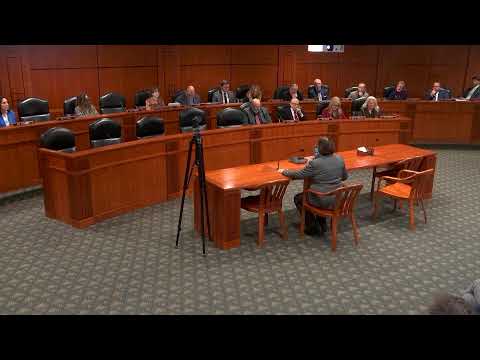
Michigan committee hears support for bill to align methadone clinic rules with federal standards
Summary
The House Health Policy Committee heard testimony supporting Senate Bill 398, which would direct LARA to revise Michigan regulations for opioid treatment programs to expand mobile units, remove a one-year admission history requirement, allow clinically appropriate treatment of minors, and remove punitive administrative discharge rules.
The House Health Policy Committee heard testimony on Senate Bill 398, a regulatory modernization measure that would direct the Department of Licensing and Regulatory Affairs to revise Michigan rules governing opioid treatment programs, the only facilities that may dispense methadone for opioid use disorder.
A staff member testifying on behalf of Senator Berrino told the committee the bill removes state-level restrictions that exceed federal, evidence-based requirements and highlighted provisions to allow mobile OTP units, eliminate a one-year history requirement for admission, permit OTP admission of minors when clinically appropriate, and prohibit administrative discharge solely for failure to participate in counseling.
Andrew Whittaker of the Pew Charitable Trusts, testifying in support, said Pew’s review found five areas where Michigan regulations were more restrictive than federal standards and that those restrictions can increase travel burdens and interrupt treatment. "Many Michiganders face significant travel burdens to access services at OTPs," Whittaker said, urging the committee to advance reforms that improve geographic access and continuity of care.
Both witnesses described the changes as patient-centered steps to reduce barriers to evidence-based medication for opioid use disorder while leaving federal safeguards in place. The committee recorded written cards in support from the Michigan Health and Hospital Association and a representative from the Mackinac Center but asked no substantive questions of either witness during the hearing.
The testimony frames SB 398 as an effort to align state rules with federal practice and to reduce administrative barriers that, supporters said, can delay care or increase overdose risk. Committee members said they appreciated the presenters and signaled intent to continue work with the sponsoring senator on the bill.