Get Full Government Meeting Transcripts, Videos, & Alerts Forever!
Get email alerts on the Scope Of Practice topic
No spam. Unsubscribe anytime.
Committee advances bill to revise physician assistant practice arrangements after negotiation with physicians
Summary
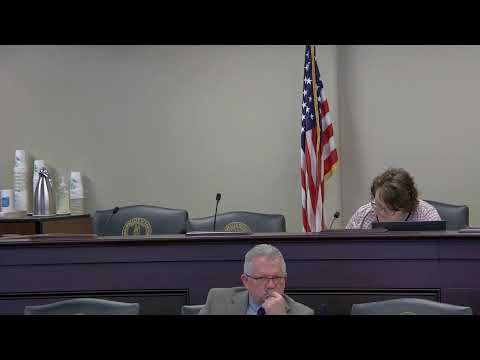
Senate Bill 116, which would move physician assistant oversight toward a collaborative model but keep physician sign‑offs in place, passed the Senate Health Services committee 7‑2 after proponents and physicians negotiated a committee subcommittee compromise.
Senator Scott Meredith introduced Senate Bill 116 to the Senate Standing Committee on Health Services, saying the bill aims to improve rural access to care by altering physician assistant practice arrangements from a strict supervisory model toward a collaborative approach used in neighboring states.
Two physician assistants, Andrew Rutherford and Aaron Chalmers, introduced themselves and described their roles and why the change matters in rural settings. Rutherford identified himself as a critical care PA and chair of the Government Affairs Committee for the Kentucky Academy of Physician Assistants; Chalmers said he works in pediatrics and education and is president of the Kentucky Academy of Physician Assistants.
Supporters said the change would let health care teams operate more efficiently and use PAs to expand care in areas with few or no doctors. Senator Scott Meredith and other proponents framed the bill as a way to improve access in counties that lack physicians and to make teams more effective in hospitals and clinics.
Opponents and questioners raised concerns about whether expanding PA authority could reduce incentives for physicians to locate in rural areas. Senator Nemes asked whether expanding PAs' authority would undercut efforts to recruit doctors; supporters responded that the committee subcommittee and negotiations with the Kentucky Medical Association sought to preserve physician oversight. In committee remarks, supporters emphasized that the current committee subcommittee retained the supervision model and that physicians must still sign off on prescribing and licensing matters.
After discussion and explanation of the committee subcommittee work, the committee voted 7 to 2 to advance SB 116 out of committee with a favorable expression.
The bill's text as discussed keeps key physician sign‑offs in place while modifying team operations to allow PAs to be used more efficiently; the committee relied on negotiated language developed with physicians' groups. The bill now moves to the Senate floor for further consideration.